






What's Happening?
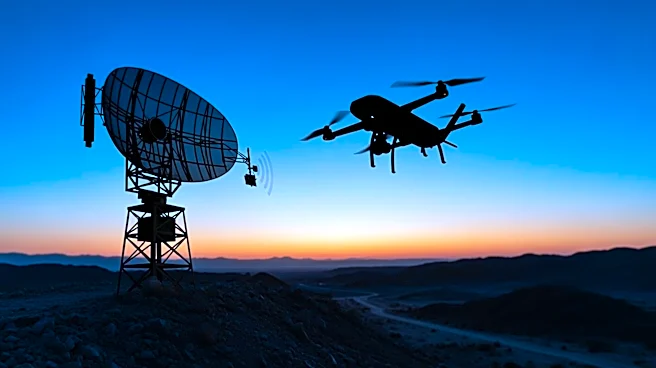
General Gregory Guillot, commander of U.S. Northern Command, has expressed concerns about the lack of adequate counter-drone technology for troops patrolling the southern border. Despite the deployment of several fixed and mobile counter-drone systems,
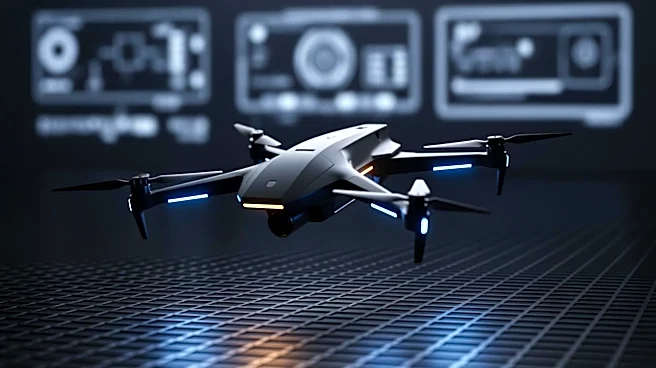
Guillot noted that these are insufficient for patrolling soldiers who face frequent drone incursions by cartels. The southern border has become a testing ground for counter-unmanned aerial systems (UAS), but the current technology does not adequately support mobile patrols. Guillot emphasized the need for systems that can accompany soldiers on patrols, a gap that remains unfilled despite the availability of some portable devices like the Dronebuster, which has been criticized for its performance. The Pentagon's Joint Interagency Task Force 401 has invested significantly in counter-drone technology, but challenges persist.
Why It's Important?
The lack of effective counter-drone technology for border patrols poses significant security risks, as drones are increasingly used by cartels for surveillance and smuggling operations. This technological gap could undermine the effectiveness of border security measures and compromise the safety of U.S. troops. The situation highlights the need for rapid innovation and deployment of advanced counter-drone systems that can operate in dynamic environments. The issue also underscores the broader challenge of adapting military technology to evolving threats, particularly in areas like the southern border where unconventional tactics are employed by adversaries.
What's Next?
General Guillot has called on industry partners to demonstrate and deploy effective counter-drone technologies at the southern border. This could lead to increased collaboration between the military and private sector to develop solutions that address the specific needs of border patrols. The ongoing dialogue and testing may result in the procurement of new systems that enhance the capabilities of troops in the field. Additionally, lessons learned from other regions, such as Israel's experience with counter-UAS operations, may inform future strategies and technology development.