




What's Happening?
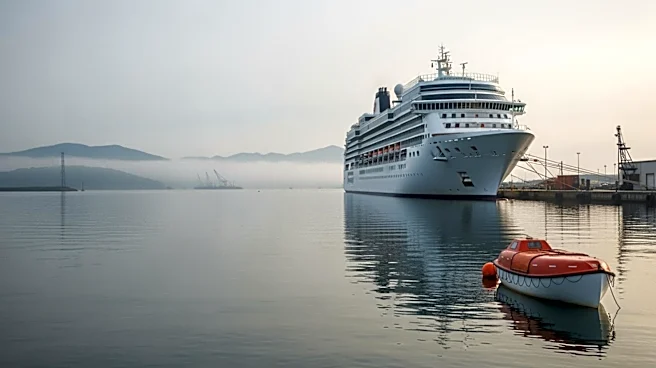
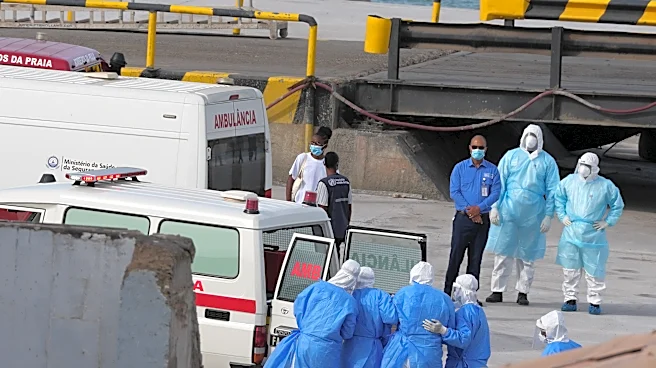
Spain has initiated the evacuation of passengers from the MV Hondius cruise ship, which is at the center of a hantavirus outbreak. The ship, docked off Tenerife, saw passengers disembark in small groups, wearing protective clothing and masks, and were
met by officials in hazmat suits. The evacuation process involves charter flights to repatriate passengers to their home countries. The outbreak has resulted in three deaths and several infections. The WHO has stated that the risk to the global population is low, but passengers and crew are considered high-risk contacts.
Why It's Important?
This evacuation operation is crucial in containing the hantavirus outbreak and preventing further spread. It highlights the complexities of managing health crises on international vessels and the need for coordinated global responses. The incident underscores the vulnerability of cruise ships to infectious diseases and the importance of stringent health measures. The situation also emphasizes the role of international health organizations like the WHO in managing cross-border health threats and coordinating responses to protect public health.
What's Next?
Passengers will undergo quarantine upon returning to their home countries, with health monitoring to detect any symptoms. The WHO and national health authorities will continue to track and manage potential cases. The incident may lead to reviews of health protocols on cruise ships and influence future travel and health policies. The ship will be disinfected, and further investigations may be conducted to understand the outbreak's source and prevent recurrence.