







What's Happening?
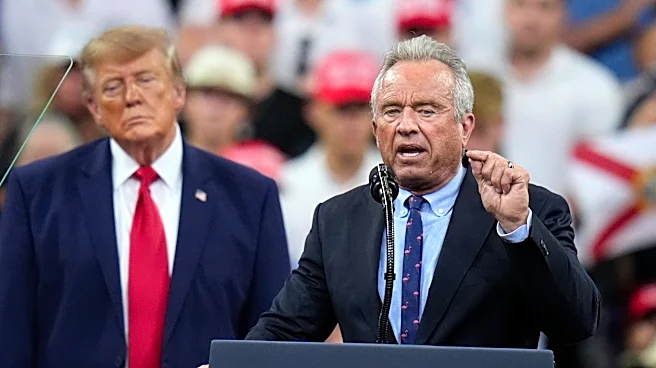
The Trump administration, through Health and Human Services (HHS) Secretary Robert F. Kennedy Jr., has announced a new policy that will loosen restrictions on the manufacturing of unapproved peptides by small compounding pharmacies. This decision allows
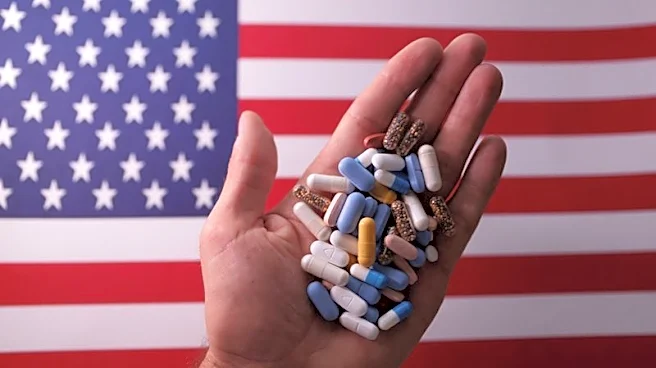
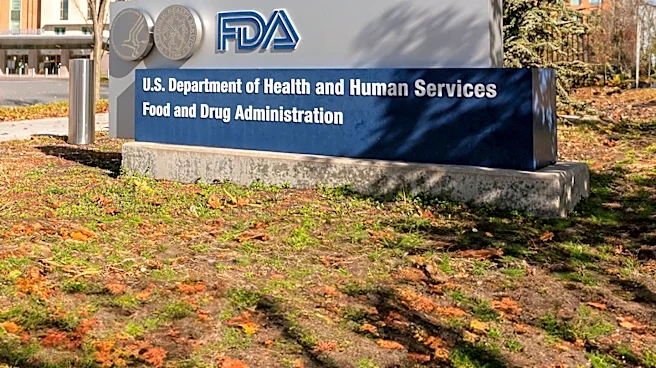
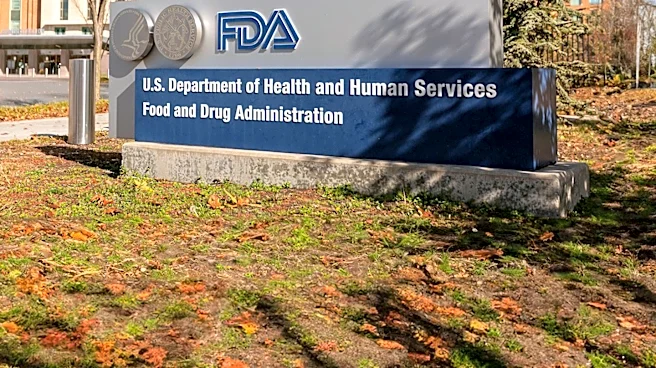
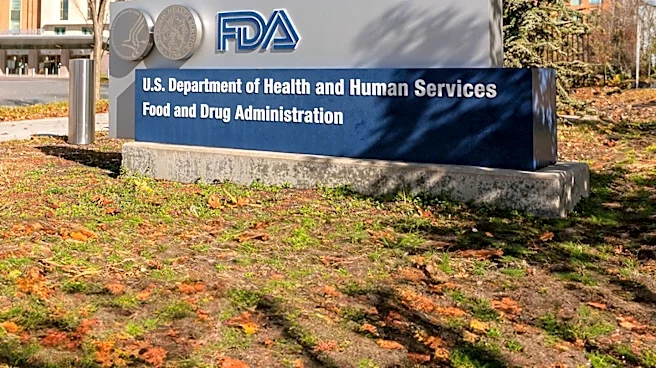
for 'enforcement discretion' for a half-dozen specific peptides, meaning the FDA will not take action against pharmacies producing them. These peptides, which include BPC-157, Epitalon, KPV, MOTS-c, Semax, and TB-500, are popular in wellness circles for various unproven uses, despite not having undergone the Food and Drug Administration's (FDA) rigorous approval process for safety and effectiveness. Secretary Kennedy has publicly supported the use of peptides, stating he has used some himself. This move comes despite significant opposition from FDA scientific staffers and consumer advocacy groups, who warn of potential public health risks due to the lack of proven safety and efficacy.
Why It's Important?
This policy shift has significant implications for public health and regulatory oversight in the U.S. By allowing unapproved peptides to be manufactured and sold more easily, it bypasses the traditional FDA drug approval process designed to ensure product safety and effectiveness. Consumer advocacy groups, such as Public Citizen, argue that this unilateral action by Secretary Kennedy undermines the FDA's role and could expose patients to unproven and potentially unsafe substances. While proponents, like the Alliance for Pharmacy Compounding, view it as advancing 'patient choice and freedom' and providing a more accountable alternative to illicit online sources, critics highlight the risks of contamination and adverse effects. The decision could also set a precedent for other unproven health products to enter the market without standard regulatory scrutiny, potentially leading to increased healthcare costs and a decline in public trust in pharmaceutical regulations.
What's Next?
The new policy is expected to face continued scrutiny and potential challenges from consumer advocacy groups and medical professionals. While the policy directs the FDA not to take action against specialty pharmacies, the legal and regulatory landscape remains complex, particularly concerning state pharmacy boards and their traditional role in regulating pharmacists. The Alliance for Pharmacy Compounding has noted that several details need clarification, including the policy's effective date and its interaction with state regulations. Compounding pharmacies will also need time to ensure ingredient suppliers meet the policy's requirements and to verify the purity of peptides. It is anticipated that the debate over patient access versus regulatory oversight for unproven treatments will intensify, potentially leading to further legislative or judicial actions to either solidify or reverse this policy.
Beyond the Headlines
The decision to ease restrictions on unapproved peptides highlights a broader tension between individual health freedom and public health protection through regulatory bodies. This move could empower the 'wellness industry' by legitimizing products that have not met scientific standards, potentially shifting public perception of what constitutes safe and effective medical treatment. It also raises ethical questions about the role of government officials in promoting substances they personally use, especially when those substances lack scientific validation. The long-term implications could include a fragmented regulatory environment where certain health products operate in a 'gray area,' making it difficult for consumers to distinguish between scientifically proven treatments and those with anecdotal support. This could lead to a decline in evidence-based medicine and an increase in reliance on unverified health claims.