


What's Happening?
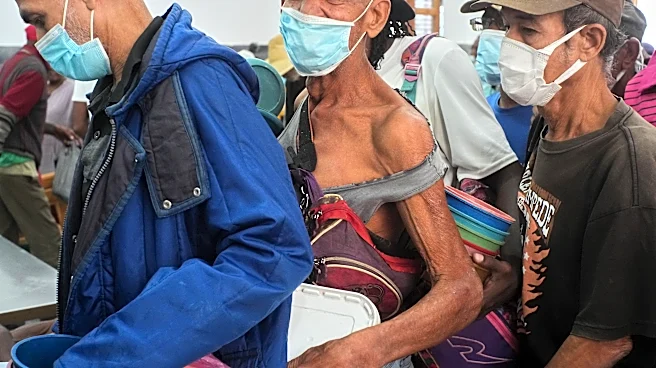
Cuba is experiencing a severe humanitarian crisis, marked by escalating U.S. economic pressure and chronic energy shortages, which are leading to the collapse of essential public services. By October 2026, nine months after the United States intensified
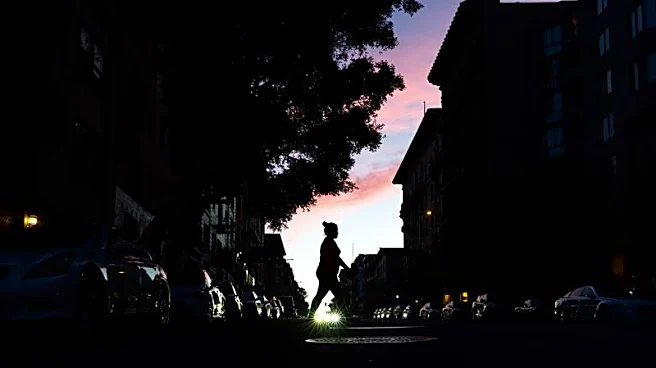
restrictions on Cuba’s oil imports, the country's essential services were under extraordinary strain. Hospitals are postponing operations, public transport has reached historic lows, and prolonged blackouts are disrupting daily life. For instance, in May, the United Nations Office for the Coordination of Humanitarian Affairs and the World Health Organization reported that over 100,000 patients, including 11,000 children, were awaiting surgical procedures delayed by electricity interruptions and medical supply shortages. A nationwide grid collapse in September affected approximately 9.4 million people, resulting from reduced electricity generation due to imported oil shortages and weaknesses in the national grid. This has also impacted water distribution and sanitation, increasing the risk of infectious diseases. The crisis has also affected education, with schools like Havana’s Abel Santamaría School for the Blind reorganizing lessons around daylight availability and reducing class days due to fuel shortages.
Why It's Important?
The situation in Cuba highlights the significant humanitarian consequences that can arise from intensified economic pressure and sanctions. The U.S. policy, aimed at exerting pressure on the Cuban government, is having a profound impact on the civilian population, raising questions about the ethical implications of such measures. The deterioration of Cuba's healthcare system, evidenced by a 148% increase in infant mortality from 2019 to 2025, underscores the vulnerability of public health when essential infrastructure fails. The disruption of public transport, with daily interprovincial bus departures from Havana falling by approximately 97% by October 2026, severely limits access to medical treatment, relatives, and necessities. Furthermore, the crisis affects food security, as blackouts spoil refrigerated food and fuel shortages hinder agricultural production and distribution. This scenario demonstrates how economic policies, even if intended for political objectives, can lead to widespread suffering and the erosion of basic human services, impacting the most vulnerable populations.
What's Next?
International organizations, including the UN, have warned about the deteriorating conditions and have provided assistance, but the crisis has complicated aid delivery. UN Resident Coordinator Francisco Pichón stated in April 2026 that additional fuel shipments would offer only temporary relief and would not address the structural constraints affecting essential services. A practical humanitarian response would prioritize reliable energy supplies for hospitals, medical transport, and water treatment facilities. Washington could establish clearly defined humanitarian exemptions for essential fuel deliveries, with UN agencies and relief organizations monitoring distribution. Such an arrangement would require cooperation from Havana, including access to delivery records. Smaller-scale investments in solar-powered water pumps and healthcare facilities could also reduce dependence on the national grid. The long-term recovery for Cuba will require more than restoring individual services, as years of economic deterioration have weakened the institutions necessary for recovery. The country's political future and its relations with the United States remain uncertain.
Beyond the Headlines
The Cuban crisis brings to the forefront the complex debate surrounding the use of economic pressure as a tool in international relations. While the U.S. maintains its sanctions are intended to pressure the Cuban government, the extensive humanitarian costs on the civilian population raise ethical and legal questions about the proportionality and effectiveness of such policies. The gradual erosion of public services, often termed a 'silent death,' may not capture sustained global attention like sudden disasters, but its long-term consequences are equally devastating. Delayed medical treatment, interrupted education, and increased food insecurity can lead to lasting developmental and health impacts on a generation. This situation highlights the need for a nuanced approach that distinguishes between political targets and humanitarian outcomes, ensuring that civilian populations are not unduly penalized in geopolitical struggles. The crisis also underscores the fragility of essential infrastructure in the face of external pressures and internal vulnerabilities, demonstrating how everyday necessities can disappear, making daily life precarious.