



What's Happening?
The global water crisis is escalating, characterized by widespread scarcity, pollution, and unequal distribution of water resources. This crisis poses significant threats to human health, economic development, and social stability worldwide. Many regions
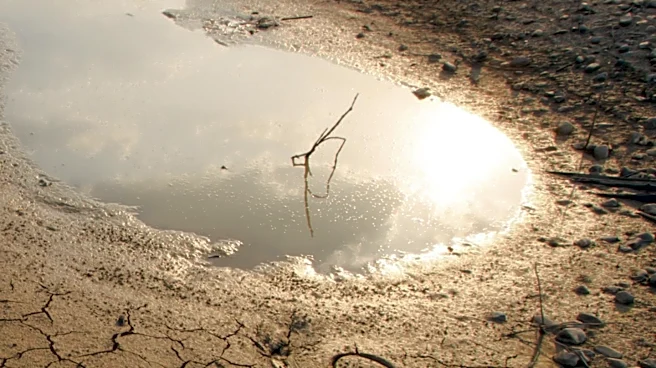
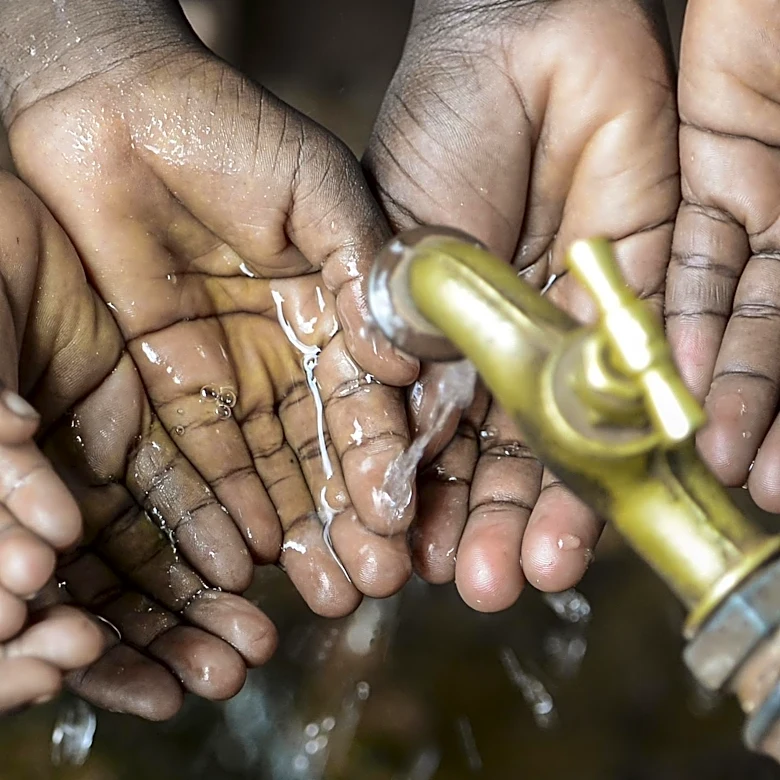
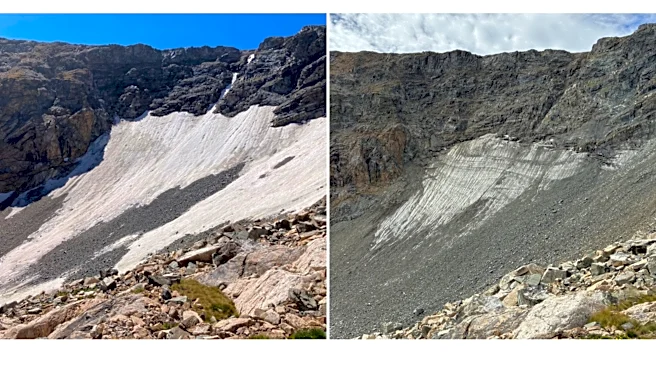
are experiencing reduced freshwater availability due to prolonged droughts, changing weather patterns, and rising temperatures. Rapid urbanization and population growth further strain existing water supplies. Compounding the issue, industrial waste, agricultural chemicals, untreated sewage, and plastic pollution contaminate rivers, lakes, and groundwater, rendering water unsafe for consumption even where it appears abundant. This contamination leads to preventable diseases like diarrhea, cholera, and typhoid, particularly affecting children and contributing to childhood illness and death. The lack of clean water also impacts nutrition, education, and overall development, creating long-term obstacles for affected populations. The crisis is increasingly linked to migration, as families are forced to leave their homes in search of safer living conditions and better opportunities when water resources become unreliable.
Why It's Important?
The global water crisis has profound implications for international stability and public health, with indirect but significant impacts on the U.S. through humanitarian concerns and potential geopolitical instability. The forced migration driven by water scarcity can lead to increased pressure on urban centers and neighboring regions globally, potentially contributing to broader humanitarian crises that may require international aid and intervention. Health consequences extend beyond individual illness, as contaminated water can trigger widespread public health emergencies, straining healthcare systems and weakening communities. For the U.S., this could mean increased demands for humanitarian assistance and potential public health concerns if waterborne diseases spread globally. Furthermore, the economic instability caused by water shortages in other nations can disrupt global supply chains and trade, indirectly affecting U.S. businesses and consumers. Addressing this crisis is crucial for global health security, sustainable development, and mitigating factors that contribute to international instability.
What's Next?
Addressing the global water crisis requires coordinated action from governments, international organizations, businesses, and local communities. Future efforts will likely focus on significant investments in water infrastructure, including advanced sanitation systems, pollution control measures, and conservation programs. These initiatives aim to protect existing water resources and expand access to safe drinking water for vulnerable populations. Education and public awareness campaigns are also critical components, promoting responsible water use and environmental stewardship to foster long-term sustainability. International cooperation will be essential to implement large-scale solutions, such as developing and deploying new water treatment and recycling technologies, reducing leakage in distribution systems, and exploring desalination options in water-stressed coastal regions. The ongoing challenge will be to secure adequate funding and political will to implement these comprehensive strategies effectively and equitably across diverse regions.
Beyond the Headlines
Beyond the immediate concerns of scarcity and pollution, the global water crisis highlights deeper ethical and human rights dimensions. Access to clean water is increasingly recognized as a fundamental human right, and the unequal distribution of this essential resource underscores systemic inequalities. The crisis also exposes the long-term consequences of industrialization, urbanization, and unsustainable agricultural practices on natural ecosystems and the water cycle. It prompts a re-evaluation of global consumption patterns and the need for more sustainable resource management. The link between water scarcity and migration also raises complex legal and ethical questions regarding climate refugees and international responsibilities. Ultimately, the crisis serves as a stark reminder of humanity's interconnectedness with the environment and the urgent need for a paradigm shift towards ecological stewardship and equitable resource sharing to ensure a sustainable future for all.