





What's Happening?
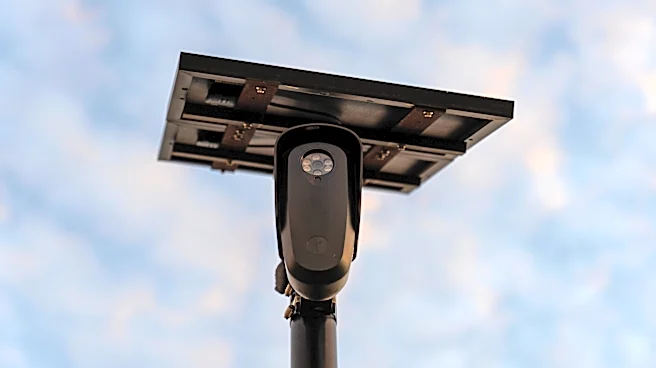
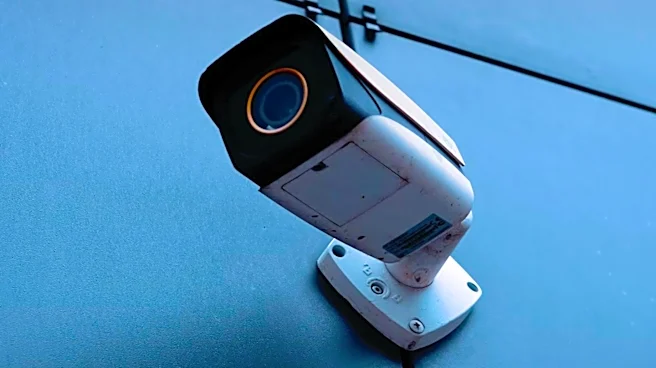
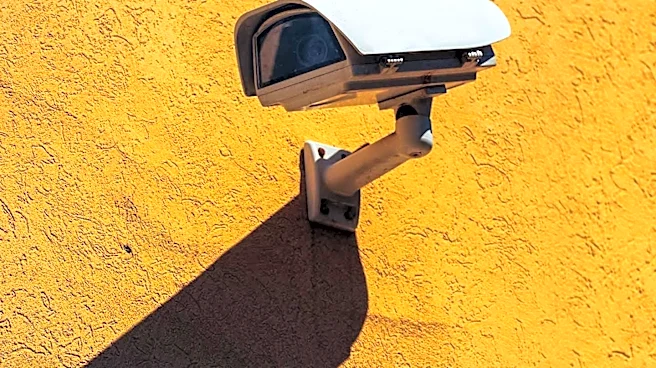
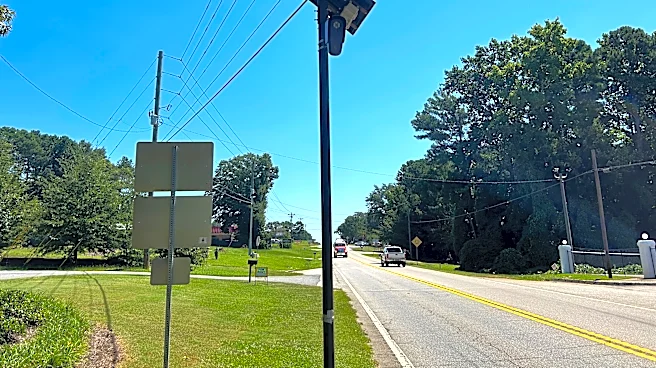
The Dallas City Council has voted against a budget amendment that sought to eliminate $1.5 million in funding for the Dallas Police Department's (DPD) Flock camera system. This decision comes shortly after DPD announced that 321 of its 684 Flock cameras
would be deactivated by September 15 due to a State of Texas directive regarding grant funding eligibility. Council member Adam Bazaldua proposed the amendment, which would have effectively ended the program. However, the majority of the council strongly opposed the measure, arguing that the Flock cameras are instrumental in improving police efficiency and solving crimes. Only Mayor Pro Tem Jaime Resendez, council member Paula Blackmon, and Bazaldua supported the proposed defunding.
Why It's Important?
The Dallas City Council's decision to retain funding for the Flock camera system underscores the ongoing debate between public safety concerns and privacy implications associated with surveillance technology. The council's strong opposition to defunding highlights a prevailing belief among many city officials that these cameras are vital tools for law enforcement in crime prevention and investigation. This stance reflects a broader trend in many U.S. cities where police departments are increasingly adopting advanced surveillance technologies. Conversely, the push to defund, albeit unsuccessful in this instance, signals persistent concerns among some council members and civil liberties advocates about potential overreach, data privacy, and the effectiveness of such systems. The partial deactivation of cameras due to grant funding changes also reveals the complex financial dependencies and regulatory challenges associated with implementing and maintaining these technologies in municipal policing.
What's Next?
With the Dallas City Council rejecting the defunding proposal, the remaining Flock cameras will continue to operate, and the DPD will proceed with deactivating the 321 cameras that are no longer eligible for state grant funding by September 15. This situation may prompt DPD to seek alternative funding sources for the deactivated cameras or explore other surveillance technologies. The debate over the balance between public safety and privacy is likely to continue, potentially leading to future discussions about the scope, oversight, and effectiveness of the Flock camera system. Community groups and privacy advocates may increase their scrutiny of the system's usage and data retention policies. The council's decision could also influence other Texas cities facing similar funding and policy considerations regarding surveillance technology.
Beyond the Headlines
The controversy surrounding the Flock camera system in Dallas touches upon fundamental questions about the role of technology in modern policing and its impact on civil liberties. While proponents emphasize the cameras' utility in solving crimes and enhancing public safety, critics often raise concerns about mass surveillance, potential for misuse, and the creation of extensive databases of vehicle and movement data. The reliance on grant funding for such systems also highlights how external financial incentives can shape local law enforcement practices, sometimes without robust public debate on long-term implications. This situation in Dallas is indicative of a national conversation about how cities can leverage technological advancements for security while safeguarding individual rights and ensuring accountability. The outcome in Dallas may serve as a precedent or a cautionary tale for other municipalities grappling with similar decisions regarding surveillance infrastructure.