



What's Happening?
The Trump administration is reportedly moving to strip tax exemptions from several liberal nonprofit organizations, with philanthropies linked to George Soros identified as primary targets. According to a leak to the New York Post, the Open Society Foundations,
now led by Soros's son Alex, is among the organizations facing this action. Other groups mentioned include the Southern Poverty Law Center, the Private Equity Stakeholder Project, the Athena Coalition, MediaJustice, and the Strategic Organizing Center, a project of the SEIU, and the SEIU itself. This initiative is partly based on a September 2025 executive order from President Trump that targets nonprofits operating with a 'substantial illegal purpose.' The administration's actions are seen as a political targeting of organizations that often support progressive causes. The process for revoking a nonprofit's tax exemption is legally complex, requiring an audit and an appeals process, during which the organization typically retains its tax-exempt status. Federal law explicitly prohibits executive branch influence over IRS audits and investigations.
Why It's Important?
This development is significant as it represents a direct challenge to the operational capacity and funding of liberal nonprofit organizations in the U.S. The potential loss of tax-exempt status could severely impact these groups' ability to raise funds and conduct their activities, which often include advocacy, research, and social programs. While the legal process for revoking tax exemptions is lengthy and subject to judicial review, the mere initiation of such actions can create a chilling effect on donors and foundations, making them more cautious in their grantmaking. This could disproportionately affect progressive organizations, as right-wing foundations, despite also engaging in partisan activities, are not being targeted. The move also raises questions about the politicization of federal agencies like the IRS and the potential for executive overreach, given the legal prohibitions against political interference in tax investigations. The outcome could reshape the landscape of political funding and advocacy, potentially further entrenching the influence of corporate and billionaire funding, which tends to lean conservative.
What's Next?
The targeted nonprofits are expected to challenge any attempts to revoke their tax exemptions through legal channels. The process will likely involve IRS audits, followed by internal appeals, and potentially federal court cases. During this time, these organizations will likely maintain their tax-exempt status. The administration's actions could also prompt a broader debate about the role of nonprofits in political advocacy and the legal boundaries of their tax-exempt status. Major stakeholders, including civil society groups, legal experts, and political leaders, are likely to react strongly, with potential for increased scrutiny of the IRS's independence and the executive branch's powers. Funders may become more cautious, leading to a re-evaluation of grantmaking strategies across the philanthropic sector. The long-term implications could include a shift in how political and social advocacy is financed and conducted in the U.S., particularly if the legal framework governing 501(c)(3) and 501(c)(4) organizations is reinterpreted or challenged.
Beyond the Headlines
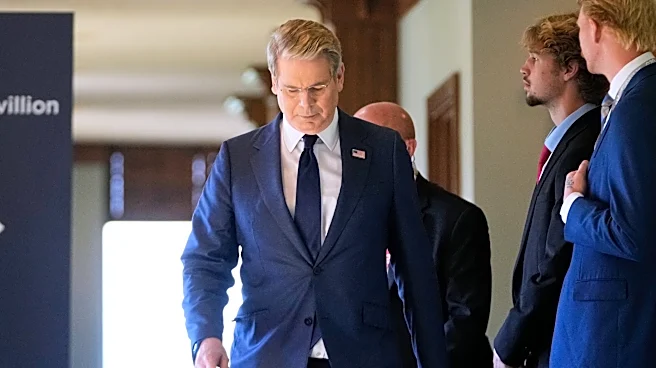
Beyond the immediate legal and financial implications, this situation highlights deeper ethical and cultural dimensions concerning the role of philanthropy in a democratic society and the potential for political weaponization of government agencies. The targeting of specific nonprofits, particularly those associated with a prominent figure like George Soros, could be seen as an attempt to silence dissent or opposition. It also underscores the ongoing tension between the legal definitions of nonpartisan charitable activity and the reality of advocacy in a highly polarized political environment. The debate over 501(c)(3) and 501(c)(4) organizations, and the extent to which they can engage in political activities, is likely to intensify. This could lead to calls for clearer regulations or, conversely, further challenges to existing laws, potentially altering the balance of power in political funding. The irony that Treasury Secretary Scott Bessent, a key figure in this offensive, previously worked for Soros's hedge fund and helped orchestrate a significant financial move, adds another layer of complexity to the narrative, suggesting personal or historical motivations alongside political ones.