







What's Happening?
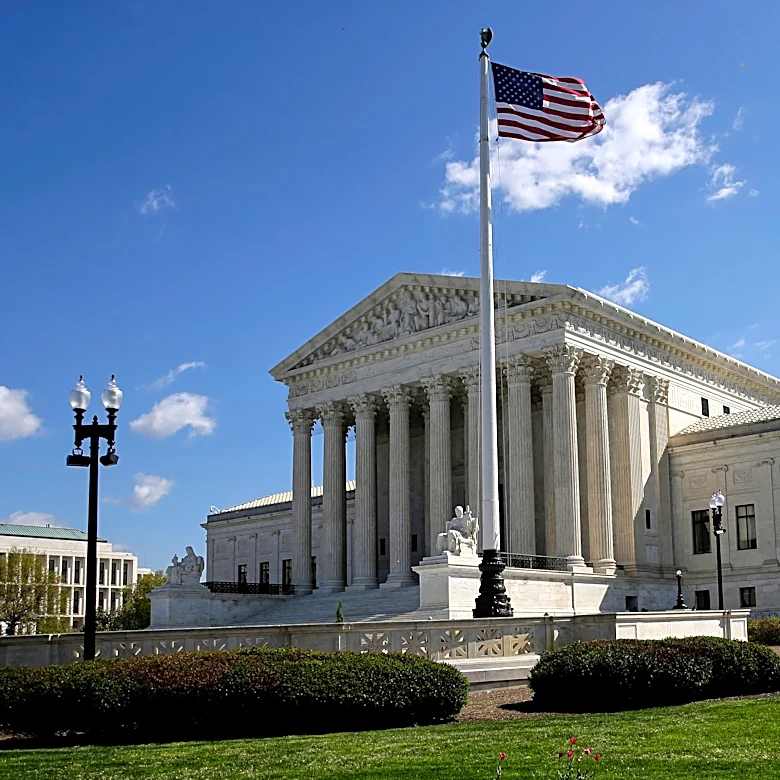
The U.S. Supreme Court has ruled in favor of First Choice Women's Resource Centers, an anti-abortion clinic, in a case concerning state subpoenas for donor information. The unanimous decision, authored by Justice Neil Gorsuch, allows the clinic to challenge
the subpoenas in federal court, citing First Amendment rights of association. This ruling is a procedural victory for First Choice, which is contesting a New Jersey investigation into its practices. The investigation, initiated by then-Democratic Attorney General Matthew Platkin, sought donor lists and other information, raising concerns about potential misleading practices by the clinic. The Supreme Court's decision does not resolve the underlying case but permits First Choice to pursue its challenge in federal court.
Why It's Important?
This ruling is significant as it limits state investigative powers and protects the privacy of donors to anti-abortion organizations. It underscores the ongoing legal battles surrounding abortion rights in the U.S., particularly as Republican-controlled states enforce bans or restrictions on abortion. The decision also highlights the tension between state investigations and First Amendment rights, with implications for how similar cases might be handled in the future. The involvement of the American Civil Liberties Union, which supports abortion rights but backed First Choice's First Amendment concerns, indicates the complex legal landscape surrounding abortion-related issues.
What's Next?
Following the Supreme Court's decision, First Choice Women's Resource Centers may continue their legal challenge in federal court if New Jersey's attorney general decides to pursue the investigation further. The ruling could lead to increased scrutiny of state subpoenas and potentially more lawsuits from organizations facing similar investigations. The decision may also influence how states approach investigations into anti-abortion centers, particularly in Democratic-leaning states seeking to protect abortion access.
Beyond the Headlines
The Supreme Court's ruling may have broader implications for the balance between state powers and individual rights. It raises questions about the extent to which states can investigate organizations based on their practices and the potential chilling effect on donor support for controversial causes. The case also reflects the ongoing national debate over abortion rights and the role of crisis pregnancy centers, which have been increasing in number as states enforce stricter abortion laws.