





What's Happening?
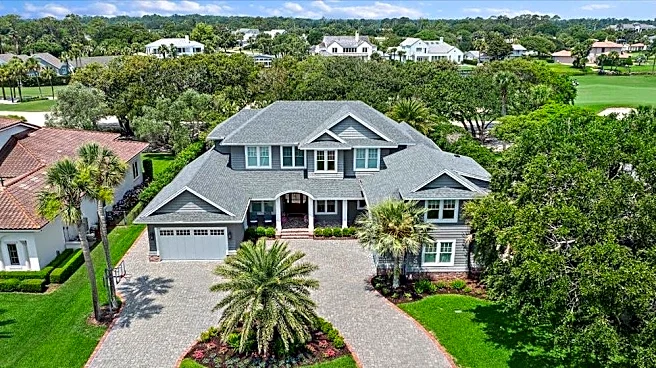
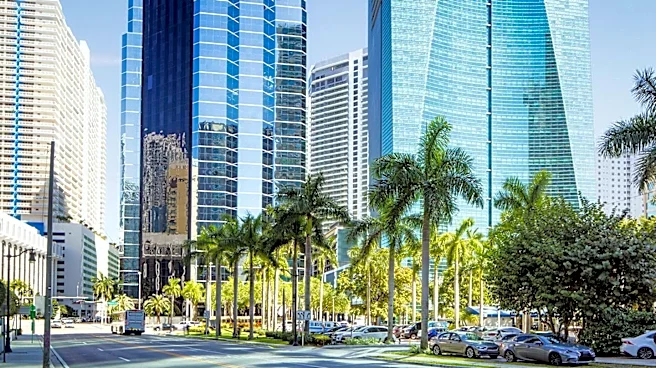
Miami has become one of the most expensive metro areas in the United States, rivaling New York in terms of unaffordability. The opening of the ultra-luxurious Una Residents Brickell, where residences start at $2.14 million, symbolizes this shift. Miami's
cost-of-living index has surged by 36.5% since 2019, surpassing New York's 28.8% increase. This rise is attributed to various factors, including high insurance rates due to hurricane risks, expensive property values, and increased living costs. The city's scenic shoreline and luxury real estate market have attracted wealthy individuals and investors, further driving up prices.
Why It's Important?
The rising cost of living in Miami has significant implications for residents and potential homebuyers. The city's transformation into a high-cost area affects affordability and accessibility, potentially displacing long-term residents and altering the demographic landscape. The increased insurance rates and property values also impact the real estate market, making it challenging for middle-income families to afford homes. Additionally, the influx of wealthy individuals and investors could lead to further gentrification, changing the cultural and social fabric of the city.
What's Next?
As Miami continues to attract affluent individuals and investors, the city may see further increases in property values and living costs. Policymakers and city planners may need to address the affordability crisis by implementing measures to ensure housing remains accessible to a diverse population. The ongoing risk of hurricanes and climate change could also prompt discussions on sustainable urban development and infrastructure improvements to mitigate potential damages.