




What's Happening?
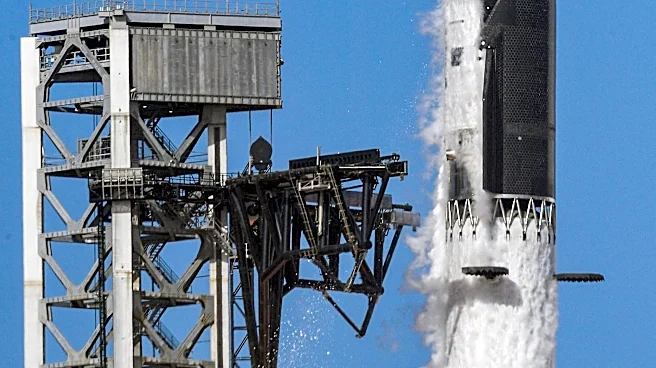
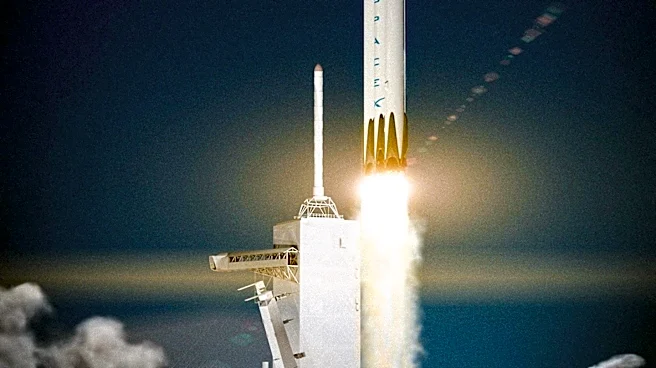
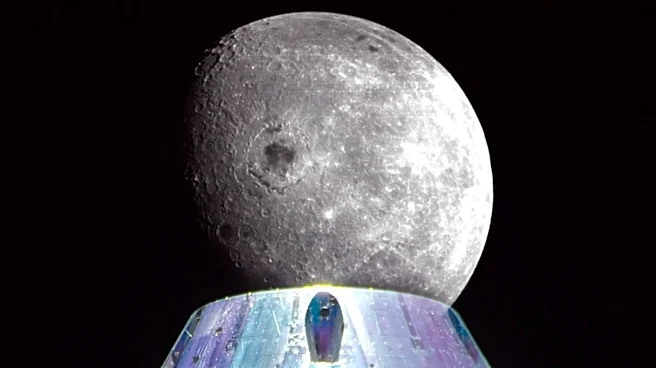
NASA is planning more than 20 robotic missions to the Moon's South Pole over the next three years as part of its effort to establish a long-term lunar base by 2029. These missions will deliver equipment, conduct scientific studies, and test technologies
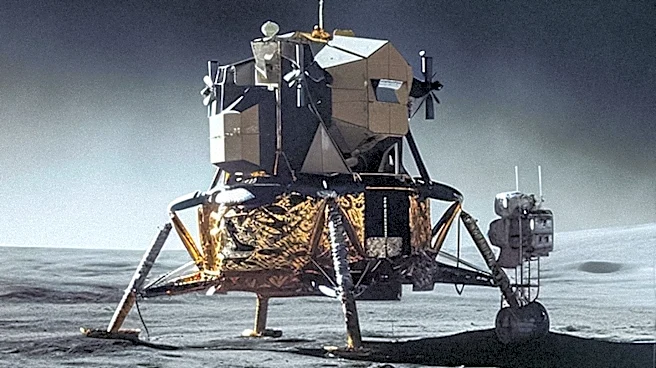
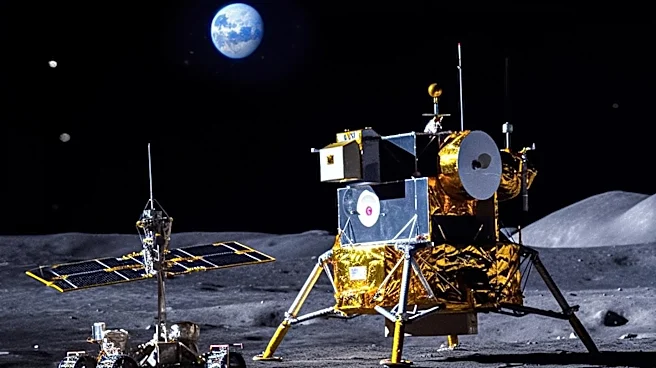
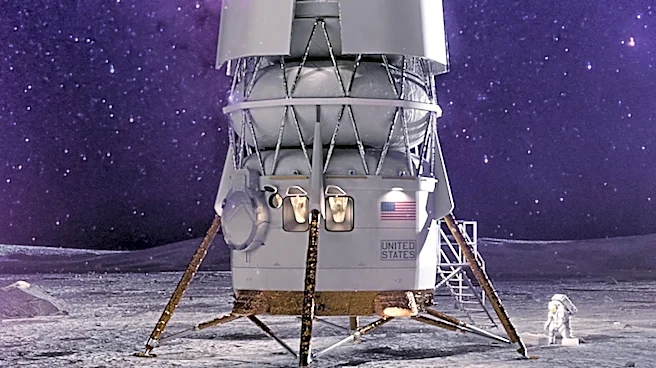
that could support future human habitation on the Moon. NASA is collaborating with commercial companies such as Blue Origin, Firefly Aerospace, Intuitive Machines, and Voyager Technologies to develop landers capable of transporting scientific instruments and infrastructure to the lunar surface. The missions are part of the first stage of NASA's Moon Base plan, which aims to prepare the lunar environment for future astronauts.
Why It's Important?
The establishment of a lunar base is a critical step in NASA's long-term vision for space exploration. By creating a sustainable presence on the Moon, NASA aims to support ongoing scientific research and technology development, which could lead to breakthroughs in understanding the Moon's geology and the early universe. The collaboration with commercial partners underscores the growing importance of public-private partnerships in advancing space exploration. The technologies and infrastructure developed through these missions will be essential for future human missions to the Moon and beyond, potentially serving as a model for international cooperation in space.
What's Next?
As NASA progresses with its lunar missions, the focus will be on refining the technologies and systems necessary for a sustainable lunar base. The success of these missions will depend on the ability to establish a reliable supply chain and infrastructure on the lunar surface. Future missions will likely involve more complex operations, including the deployment of larger payloads and the construction of permanent facilities. The lessons learned from these missions will inform NASA's broader goals of human exploration beyond the Moon, potentially paving the way for missions to Mars and other destinations.