







What's Happening?
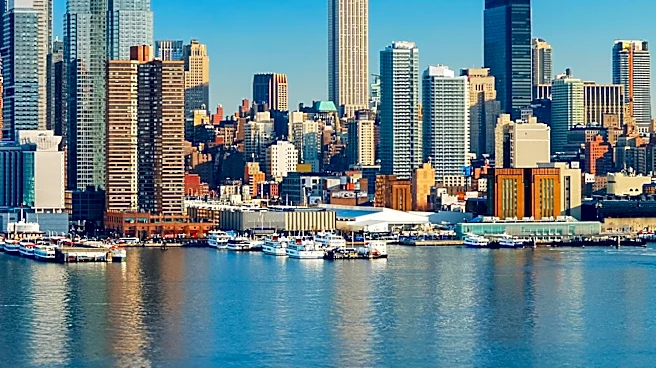
Four cities in New York State have been recognized in WalletHub's recent analysis of the 'Best & Worst Cities for Staycations.' While specific rankings for these cities—New York City, Rochester, Buffalo, and Yonkers—were not detailed in the provided information,
their inclusion indicates their relevance in the context of local leisure and tourism. The concept of a 'staycation' involves enjoying leisure activities and attractions within one's local area or a nearby destination, rather than traveling far from home. This trend has gained traction, particularly as individuals seek cost-effective and convenient ways to relax and explore. The WalletHub report likely evaluates various factors such as recreational opportunities, dining options, accommodation availability, and overall cost-effectiveness to determine the suitability of cities for staycations. The presence of multiple New York cities on such a list suggests a diverse offering of local attractions and amenities across the state that cater to residents looking for a local getaway.
Why It's Important?
The inclusion of New York cities on a 'Best & Worst Cities for Staycations' list is significant for several reasons. Economically, it highlights the potential for local tourism to boost regional economies, supporting businesses ranging from hotels and restaurants to entertainment venues and local shops. For residents, staycations offer an accessible and often more affordable alternative to traditional vacations, allowing them to experience their own regions with fresh eyes and reduced travel stress. This trend can also foster a stronger sense of community and local pride as people discover and engage with attractions close to home. From a policy perspective, cities recognized for their staycation appeal might see increased investment in local infrastructure, parks, and cultural institutions to further enhance their attractiveness. The emphasis on staycations also aligns with broader discussions about sustainable tourism and reducing the environmental impact of long-distance travel, making local exploration a more eco-conscious choice.
What's Next?
Following their inclusion on WalletHub's list, the mentioned New York cities may experience increased interest from both residents and local tourism boards. City officials and tourism organizations could leverage this recognition in their marketing campaigns, promoting local attractions and events to encourage more staycations. This might involve developing special packages, discounts, or themed events designed to appeal to local residents. Businesses within these cities, particularly those in the hospitality and entertainment sectors, could anticipate a potential uptick in local patronage. Furthermore, the ongoing discussion around the 'American dream' and financial sacrifices, as highlighted by Fox host Charles Payne's advice to consider staycations over traditional vacations, suggests that the concept of local leisure will continue to be a relevant topic. This could lead to more individuals opting for staycations as a practical financial decision, further solidifying their role in the leisure landscape.
Beyond the Headlines
Beyond the immediate economic and tourism implications, the rise of staycations, as evidenced by WalletHub's report, reflects a deeper cultural shift towards valuing local experiences and mindful consumption. In an era where global travel can be costly and time-consuming, staycations offer a way to de-stress and rejuvenate without the logistical complexities. This trend also subtly challenges the traditional notion of a 'vacation' as something that must involve distant travel, promoting the idea that relaxation and exploration can be found in one's own backyard. The advice from figures like Charles Payne, advocating for staycations as a means to achieve financial stability, underscores a growing awareness of personal finance and the trade-offs involved in lifestyle choices. This could lead to a re-evaluation of leisure spending habits, with a greater emphasis on value and local engagement, potentially fostering more resilient local economies and a stronger sense of community identity.