








What's Happening?
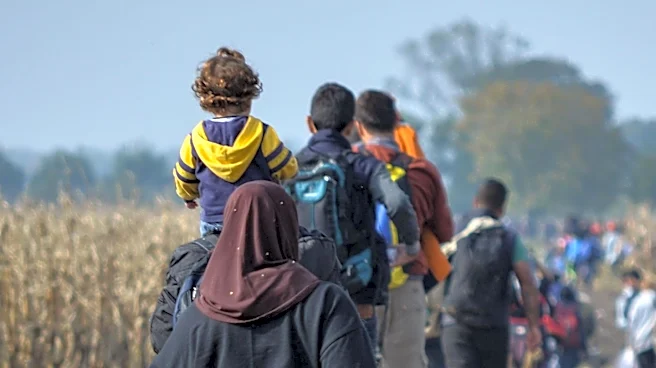
The UNHCR has issued warnings regarding the severe challenges faced by individuals returning to their home areas in Yemen and Lebanon. In Yemen, returnees encounter damaged housing, insecurity, and inadequate essential services, with conflict-induced
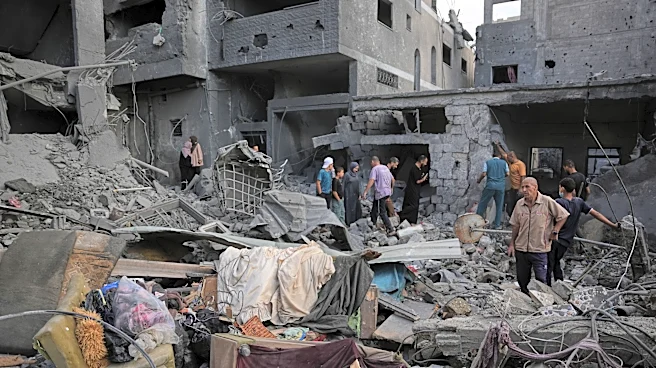
economic deterioration and climate-related shocks exacerbating shortages. The 2026 Yemen Humanitarian Needs and Response Plan highlights these pressures, indicating that displacement can become prolonged even after families move away from active fighting. Similarly, in Lebanon, returning to home areas does not necessarily end displacement-related hardship, as renewed hostilities have displaced Lebanese residents, Syrian, and Palestinian refugees. The September 2026 response-plan addendum details damaged homes, disrupted services, livelihood losses, and increased pressure on local authorities. Poverty further compounds these risks, limiting families' ability to secure accommodation, replace lost income, or absorb new emergencies. UNHCR's reporting for Lebanon documents severe deprivation among refugee households and identifies needs for legal assistance and civil documentation, complicating access to protection and recovery.
Why It's Important?
The ongoing displacement crises in Yemen and Lebanon underscore the fragility of post-conflict recovery and the profound humanitarian challenges faced by millions. The inability of returnees to rebuild their lives safely and sustainably creates a cycle of prolonged displacement and dependency on humanitarian aid. This situation strains international aid organizations and host communities, diverting resources that could otherwise be used for long-term development. The economic deterioration and lack of essential services in these regions contribute to widespread poverty and insecurity, potentially fueling further instability. For the U.S. and international community, these conditions represent a significant foreign policy and humanitarian concern, requiring sustained diplomatic efforts and financial commitments to address the root causes of conflict and support durable solutions for displaced populations. The complexities of these crises also highlight the need for comprehensive strategies that go beyond immediate relief to include long-term development and governance support.
What's Next?
Addressing the protracted displacement and hardship in Yemen and Lebanon will require a multi-faceted approach focusing on humanitarian assistance, education, development, and good-faith negotiations. International organizations like UNHCR and UNDP will continue to play a crucial role in providing aid, monitoring conditions, and advocating for the rights of displaced persons and returnees. The 2026 Yemen Humanitarian Needs and Response Plan and the Lebanon Response Plan will guide immediate and medium-term interventions, emphasizing the need for sustained attention to both displaced populations and host communities. Efforts will likely include rebuilding damaged infrastructure, restoring essential services, and implementing programs to support livelihoods and economic recovery. Furthermore, political settlements and improved governance will be critical to creating conditions conducive to safe and sustainable returns, reducing the reliance on humanitarian aid, and preventing future displacement.
Beyond the Headlines
The situations in Yemen and Lebanon reveal deeper implications concerning state authority, governance, and the long-term impact of conflict on societal structures. The challenges faced by returnees highlight the critical importance of accountable governance and the provision of visible public services in fostering stability and trust. When state authority is weak or contested, as in these regions, armed movements can gain influence, complicating efforts to establish peace and facilitate recovery. The interplay between conflict, economic decline, and climate-related shocks creates a complex web of vulnerabilities that can trap populations in cycles of displacement and poverty. This necessitates a holistic understanding of humanitarian crises that considers not only immediate needs but also the underlying political, economic, and environmental factors that drive displacement and hinder durable solutions. The ethical imperative to protect civilians and ensure their right to return safely and rebuild their lives remains a central challenge for the international community.