






What's Happening?
The Wildlife Center of Virginia is issuing a public plea to Virginians to stop using glue traps for pest control. As cooler weather approaches, small animals like mice and rats often seek shelter indoors, leading many residents to use these traps. However,
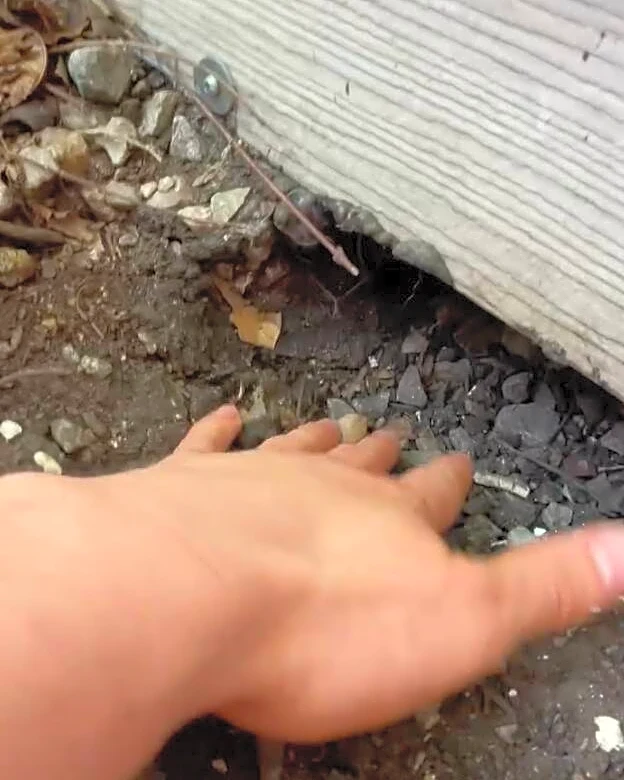
the center highlights that glue traps are indiscriminate, catching not only target pests but also other wildlife such as birds, snakes, rabbits, and squirrels. Dr. Karra Pierce, lead veterinarian at the Wildlife Center, explains that animals get stuck to the sticky surface, and in their struggle to escape, they often suffer severe injuries, including torn skin, feather loss, dehydration, emaciation, and ultimately, a slow and painful death from exposure or starvation. The center sees dozens of such cases annually, emphasizing the inhumane nature of these devices. They advocate for alternative methods, urging residents to first identify and seal entry points to prevent animals from entering homes.
Why It's Important?
This initiative by the Wildlife Center of Virginia is important because it addresses a widespread issue of animal cruelty often overlooked in household pest management. The use of glue traps, while seemingly convenient, inflicts significant suffering on animals, including non-target species. By raising awareness, the center aims to shift public behavior towards more humane and effective pest control strategies. The call to action has broader implications for animal welfare standards and public education regarding ecological responsibility. It highlights the need for consumers to consider the ethical impact of their choices, moving away from methods that cause prolonged distress and injury. Furthermore, the center's data has influenced policy, with cities like Ojai, California, banning glue traps based on such information, indicating a potential for similar legislative changes in other U.S. localities.
What's Next?
The Wildlife Center of Virginia will continue its public awareness campaign, educating Virginians on the dangers and inhumane aspects of glue traps. They will likely promote alternative pest control methods, such as identifying and sealing entry points to homes and using live traps for capture and release. The center's spokesman, Connor Gillespie, suggests that once entry points are sealed, live traps can be used to safely remove unwanted wildlife, allowing them to be released outdoors without harm. This ongoing advocacy could lead to increased public adoption of humane pest control practices and potentially inspire more local governments across the U.S. to consider bans or restrictions on glue traps, following the precedent set by cities like Ojai, California.
Beyond the Headlines
The debate over glue traps extends beyond immediate animal welfare to broader ethical considerations regarding human interaction with wildlife in urban and suburban environments. The indiscriminate nature of these traps underscores a fundamental conflict between convenience and compassion. This issue reflects a societal challenge in balancing human comfort with ecological responsibility, particularly as human habitats increasingly encroach upon natural ones. The push for humane alternatives encourages a more thoughtful approach to coexisting with wildlife, fostering a greater understanding of animal behavior and the interconnectedness of ecosystems. It also highlights the role of scientific and veterinary expertise in informing public policy and promoting ethical practices in pest management, moving towards solutions that prioritize both effectiveness and empathy.