



What's Happening?
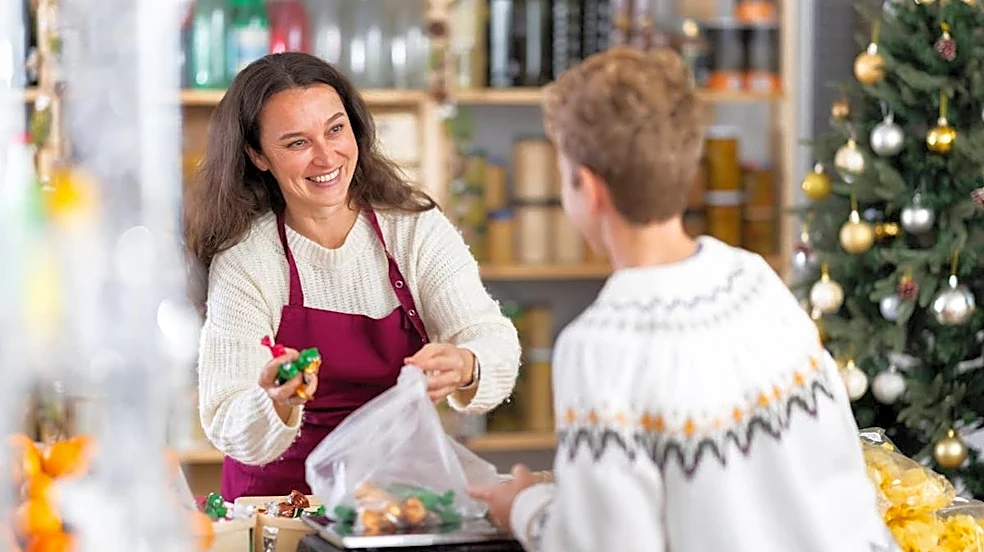
Halloween in the U.S. has evolved significantly from its ancient origins, with many of its most recognizable traditions being relatively recent developments. For instance, door-to-door trick-or-treating, in its current form, only dates back to the 1930s
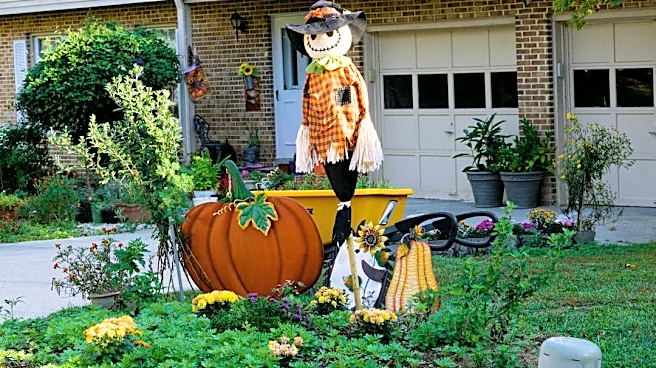
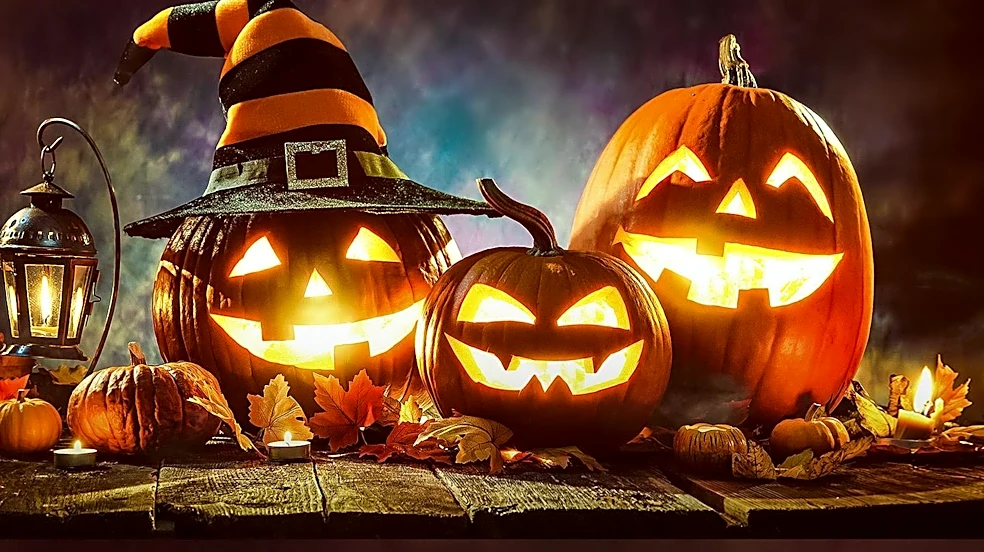
and became a widespread childhood ritual after World War II, following the end of sugar rationing. The custom was further cemented by mass media, including Disney's animated short 'Trick or Treat' in 1952, and by candy manufacturers who began producing individually wrapped pieces suitable for distribution. The jack-o'-lantern, a quintessential Halloween symbol, originated from carved turnips in Ireland and Scotland, only becoming associated with pumpkins due to their abundance in North America where Irish and Scottish immigrants settled. These traditions highlight how a Gaelic festival, Samhain, which marked the end of harvest and the start of winter, transformed into a distinctly American holiday.
Why It's Important?
The evolution of Halloween traditions underscores the powerful influence of immigration, consumer culture, and media on American holidays. The shift from ancient customs like Samhain, where the boundary between the living and the dead was believed to thin, to modern practices like trick-or-treating, reflects a broader cultural adaptation. The commercialization of Halloween, particularly the role of candy manufacturers and media, demonstrates how economic factors can shape and popularize cultural practices. This transformation has made Halloween one of the largest seasonal retail periods in the U.S., second only to winter holidays in spending on decorations. Understanding this evolution provides insight into how cultural practices are adopted, modified, and commercialized within American society, impacting industries from confectionery to entertainment and retail.
What's Next?
As Halloween continues to be a major consumer holiday, future developments will likely involve further innovation in retail and entertainment. The ongoing influence of social media and digital platforms could introduce new ways of celebrating and sharing Halloween experiences, potentially leading to new trends in costumes, decorations, and themed events. The focus on safety, particularly regarding candy and costumes, will also remain a priority, building on historical concerns like the 'poisoned-candy scare' which, despite having little documented basis, continues to shape safety advice. The holiday's blend of folklore, history, and consumerism suggests a dynamic future where new traditions may emerge while older ones continue to be reinterpreted and celebrated.
Beyond the Headlines
Beyond the surface-level celebrations, Halloween embodies a fascinating interplay of cultural assimilation and commercial ingenuity. The holiday's ability to absorb and transform elements from diverse origins—Gaelic festivals, European customs, and American consumer trends—speaks to the fluid nature of cultural identity in the U.S. The adoption of the pumpkin for jack-o'-lanterns, for example, is a subtle yet profound illustration of how immigrant traditions adapt to new environments. Furthermore, the holiday's commercial success raises questions about the balance between cultural authenticity and market-driven practices. It highlights how deeply ingrained consumerism has become in American cultural expression, turning ancient rituals into significant economic drivers and popular cultural phenomena.