



What's Happening?
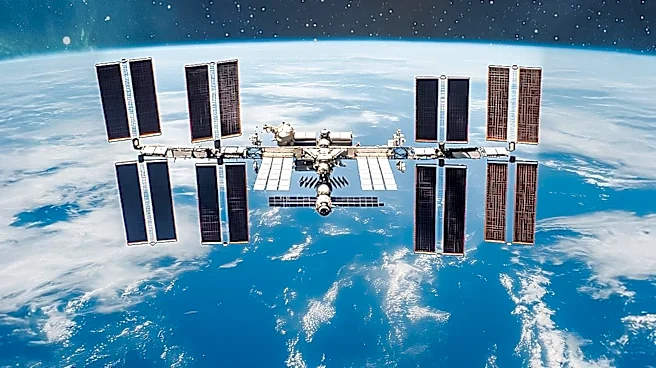
The Center for the Advancement of Science in Space (CASIS), manager of the International Space Station (ISS) National Laboratory, is celebrating 15 years of operations and has reached a significant milestone: over 1,000 ISS National Lab-sponsored payloads
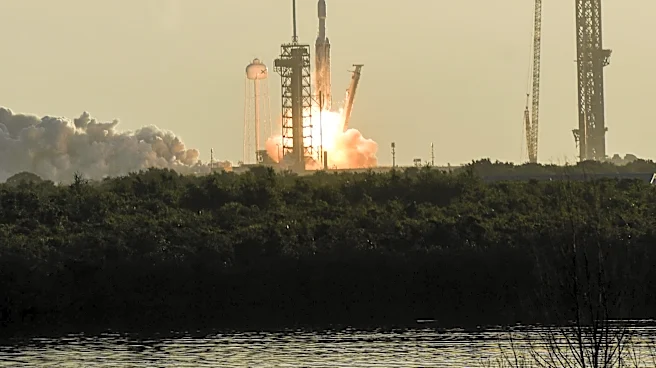
delivered to the orbiting laboratory. This achievement occurred during NASA’s Northrop Grumman Commercial Resupply Services 24 mission. These payloads encompass a wide range of scientific and technological fields, including biotechnology, pharmaceutical development, advanced materials, Earth observation, physical sciences, in-space manufacturing, and student-led investigations. The research conducted through these payloads has resulted in over 675 peer-reviewed publications, with more than 20% appearing in top-tier journals. When CASIS began managing the ISS National Lab, there were only two commercially owned and operated facilities on the space station; now, there are 24, significantly expanding research capabilities and supporting the growth of commercial space businesses.
Why It's Important?
This 1,000-payload milestone underscores the growing importance of the ISS National Lab as a platform for scientific discovery, technological innovation, and commercial development in low Earth orbit. For the U.S., it signifies a robust commitment to leveraging space for terrestrial benefits, from advancements in medicine and materials science to improved Earth observation and manufacturing techniques. The expansion of commercially owned and operated facilities on the ISS demonstrates a successful model for public-private partnerships in space, fostering a vibrant commercial space ecosystem. This not only creates economic opportunities but also accelerates the pace of research by providing more accessible and diverse platforms for experimentation. The high number of peer-reviewed publications highlights the scientific rigor and impact of the research conducted, contributing to global knowledge and potentially leading to breakthroughs that benefit society. This milestone also showcases the U.S.'s leadership in space exploration and its dedication to utilizing the ISS as a unique laboratory for the benefit of humanity.
What's Next?
As the ISS National Lab continues its operations, it is expected to further expand its role in advancing science, technology, and commercialization in low Earth orbit. The continued growth of commercially owned and operated facilities on the space station will likely lead to even more diverse research opportunities and increased private sector involvement. Future payloads will continue to explore areas such as advanced manufacturing, drug discovery, and environmental monitoring, with a focus on applications that have direct benefits on Earth. The success of the ISS National Lab model may also influence the development of future commercial space stations and platforms, as the demand for in-space research and manufacturing capabilities grows. CASIS will likely continue to foster collaborations between researchers, businesses, and government agencies to maximize the scientific and economic returns from the ISS, ensuring its legacy as a critical hub for innovation in space.
Beyond the Headlines
The achievement of 1,000 payloads on the ISS National Lab represents more than just a numerical milestone; it symbolizes a fundamental shift in how humanity utilizes space. It highlights the increasing democratization of space access, moving beyond purely governmental endeavors to include a broad spectrum of commercial entities, academic institutions, and even student groups. This diversification of participants brings new perspectives and accelerates innovation, but also introduces challenges related to resource allocation, intellectual property rights, and the ethical implications of commercial activities in space. The focus on in-space manufacturing and pharmaceutical development, for instance, could lead to entirely new industries and supply chains, transforming how certain products are made and distributed. Furthermore, the extensive data generated from Earth observation payloads has profound implications for climate science, resource management, and disaster response, raising questions about data access, privacy, and international cooperation. This milestone is a testament to the ISS's enduring value as a global laboratory and a harbinger of a future where space is an integral part of our economic and scientific landscape.