





What's Happening?
U.S. Citizenship and Immigration Services (USCIS) has issued a short notice indicating that Salvadoran Temporary Protected Status (TPS) beneficiaries will retain protection, including work authorization, despite the September 9 expiration date passing
without a formal extension announcement. El Salvador has been designated for TPS since 2001, and the Biden administration had previously extended the designation for 18 months, from March 10, 2025, through September 9, 2026. As the deadline approached, employers and TPS holders were uncertain about their status, as federal employment verification guidance still indicated termination. USCIS's notice, posted on its TPS pages, states, "An announcement on El Salvador’s TPS will be made at the appropriate time. Until such announcement is made, Salvadoran individuals present in the U.S. under TPS retain protection including work authorization." However, USCIS has not provided a new TPS expiration date or updated instructions for employers regarding Form I-9.
Why It's Important?
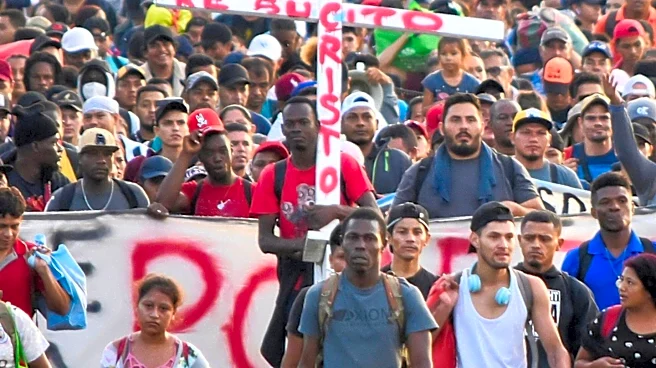
This last-minute reprieve is critically important for approximately 200,000 Salvadoran TPS beneficiaries in the U.S., allowing them to maintain their legal status and work authorization. Without this notice, many would have faced immediate uncertainty regarding their ability to live and work in the country, potentially leading to widespread job losses and family separations. For U.S. employers, the continued work authorization of Salvadoran TPS holders prevents significant disruptions in various critical sectors, including construction, manufacturing, and food services, where many TPS beneficiaries are employed. The economic contributions of Salvadoran TPS holders, estimated at $5.4 billion annually and $1.5 billion in taxes, are vital to the U.S. economy. The ongoing uncertainty, however, highlights the need for a more definitive and long-term solution for TPS recipients, as temporary extensions create instability for individuals, families, and businesses.
What's Next?
USCIS has stated that an official announcement regarding El Salvador's TPS will be made "at the appropriate time." This suggests that a more formal extension or a new policy directive is forthcoming. Employers and Salvadoran TPS beneficiaries will need to closely monitor USCIS updates for specific instructions on new expiration dates and any re-registration requirements. The lack of a clear expiration date and updated I-9 instructions creates administrative challenges for employers, who must ensure compliance with federal employment verification rules. Advocacy groups will likely continue to press the administration for a more permanent solution or a clear path to legal residency for long-term TPS holders. The situation also underscores the broader political debate surrounding immigration reform and the future of TPS programs for various countries.
Beyond the Headlines
The ongoing limbo for Salvadoran TPS beneficiaries reflects a deeper systemic issue within U.S. immigration policy, where temporary protections often become de facto long-term statuses due to unresolved conditions in home countries. This creates a population living in perpetual uncertainty, unable to fully integrate or plan for their future, despite significant contributions to the U.S. economy and society. The ethical implications of maintaining a large segment of the population in a temporary status for decades are profound, raising questions about fairness, stability, and human dignity. The political nature of TPS designations, often influenced by changing administrations and foreign policy considerations, adds another layer of complexity. This situation highlights the urgent need for comprehensive immigration reform that addresses the realities of long-term temporary residents and provides clear pathways for those who have built lives and contributed to the U.S. for many years.