

What's Happening?
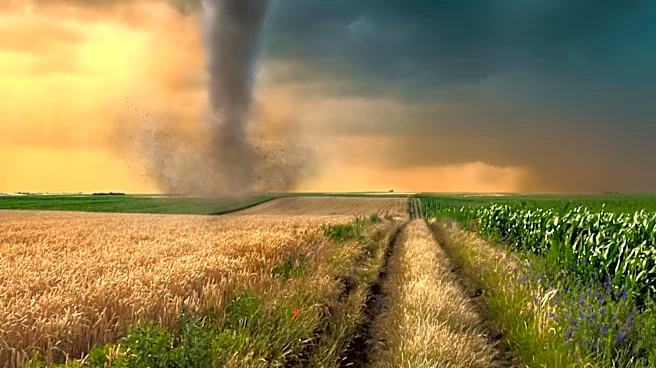
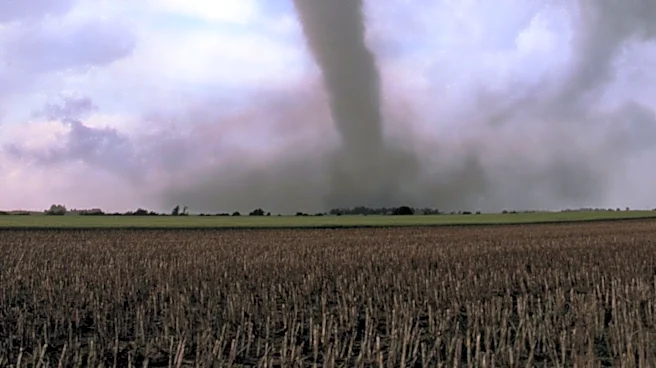
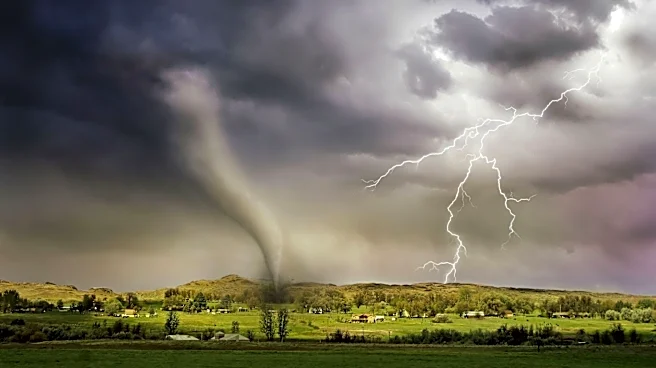
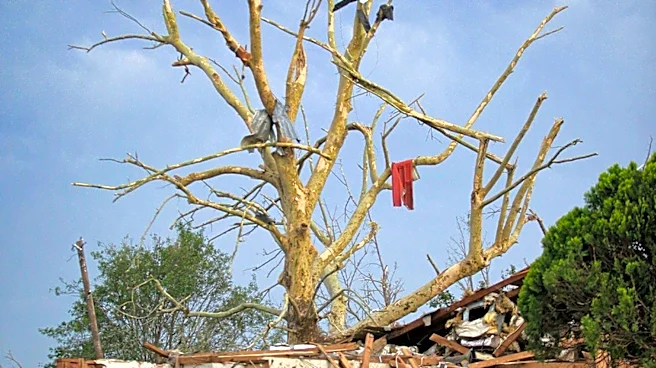
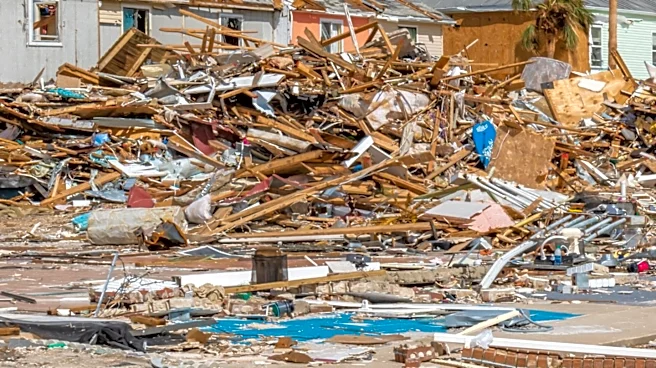
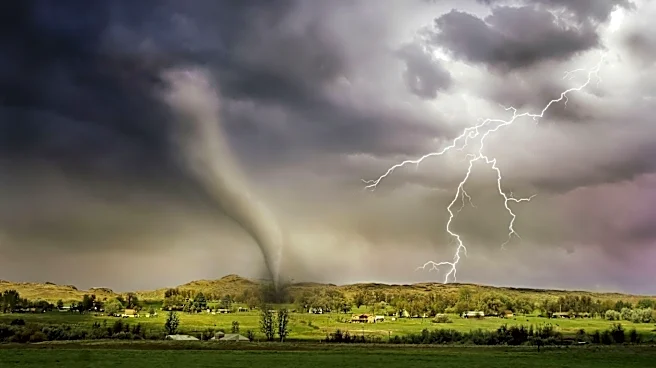
An 'extremely dangerous' tornado struck parts of Menasha and Appleton, Wisconsin, on Monday, causing significant damage to homes and infrastructure. The tornado, which had estimated peak winds of 140 mph, received a preliminary EF3 rating from the National
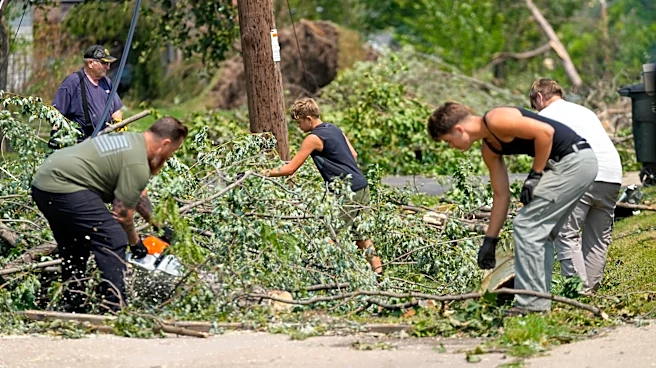
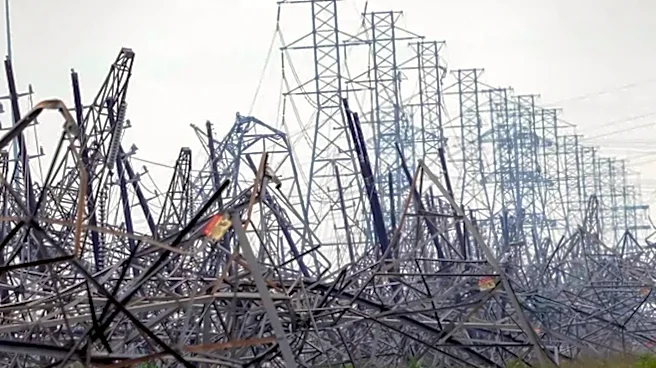
Weather Service. It uprooted trees, ripped roofs off homes, and left thousands without power. The tornado was observed for at least 20 minutes before dissipating over Lake Winnebago. Local authorities have declared a state of emergency and are working to assess the damage. A city-wide curfew and a boil water order have been issued in Menasha as cleanup efforts begin. Wisconsin Governor Tony Evers has declared a state of emergency for the affected areas.
Why It's Important?
The tornado highlights the increasing frequency and intensity of severe weather events in the U.S., which can have devastating impacts on communities. The damage to infrastructure and homes underscores the need for robust emergency preparedness and response strategies. The event also raises concerns about the resilience of power grids and other critical infrastructure in the face of extreme weather. As climate change continues to influence weather patterns, such incidents may become more common, necessitating greater investment in disaster mitigation and recovery efforts. The response to this tornado will be closely watched as a test of local and state emergency management capabilities.
What's Next?
Recovery efforts are underway, with local and state agencies working to restore power and assess the full extent of the damage. The National Guard may be called in to assist with cleanup operations. Residents are advised to stay indoors and avoid damaged areas while assessments continue. The incident may prompt discussions on improving infrastructure resilience and emergency response systems to better handle future severe weather events. Additionally, there may be calls for increased funding and resources for disaster preparedness and climate adaptation measures to protect vulnerable communities.