


What's Happening?
Costa Rica has agreed to accept 25 migrants deported from the United States each week, as part of a non-binding migration agreement with the Trump administration. This policy involves deporting immigrants to 'third countries,' and Costa Rica joins other
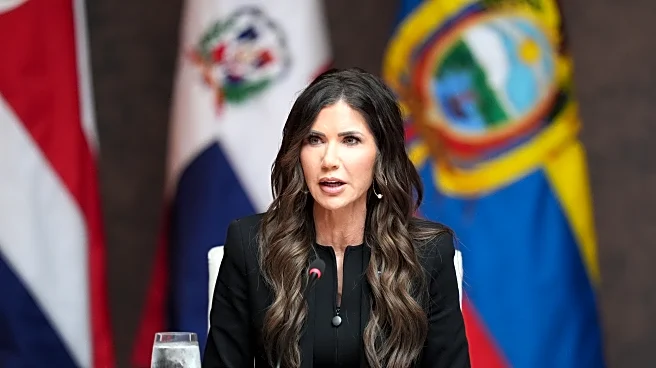
nations in Africa and the Americas in signing similar agreements. The pact was signed during a visit by Kristi Noem, a U.S. special envoy, who has been securing such deals across Latin America. Costa Rica's Public Security Minister Mario Zamora Cordero stated that the country is prepared to manage the influx of deportees, ensuring they are processed under Costa Rica's migration laws and avoiding returning them to countries where they might face persecution.
Why It's Important?
The agreement is part of the Trump administration's broader immigration strategy, which has faced criticism for potentially endangering vulnerable populations. Deportees often find themselves in countries where they do not speak the language and face legal uncertainties. Costa Rica's participation in this program highlights the international pressures and complexities of migration policies. The policy has significant implications for the deportees, who may face challenges in adapting to new environments and legal systems. It also raises ethical and legal questions about the treatment of migrants and the responsibilities of host countries.
What's Next?
Costa Rica will collaborate with the U.S. and the U.N. International Organization for Migration to ensure deportees are housed in appropriate conditions and safely returned to their countries of origin. The government has pledged to improve conditions for deportees, following past controversies over human rights abuses. The Trump administration's policy of third-country deportations is likely to continue, with more countries potentially joining the program. Legal experts and human rights organizations may increase scrutiny and advocacy efforts to address the ethical and legal implications of these agreements.