



What's Happening?
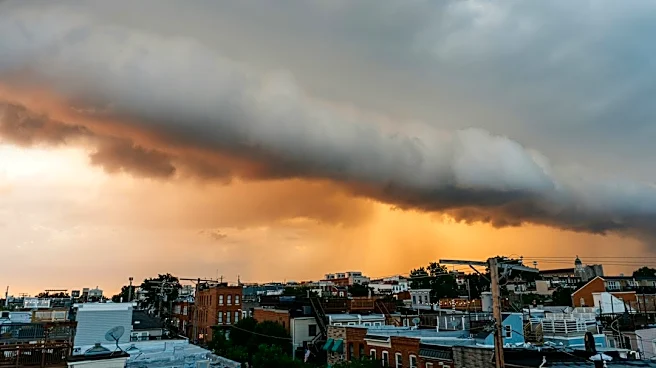
The Baltimore area is preparing for a weekend of rain and gusty winds as a strong Nor'easter is expected to track closer to the coast. Brisk winds, ranging from 10-15 mph with gusts up to 25 mph, will continue through Friday. While Friday is anticipated
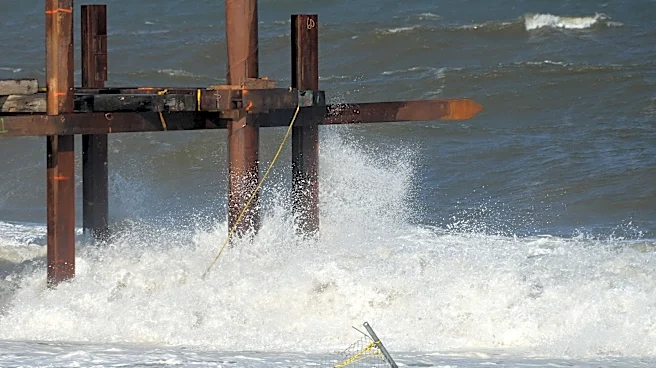
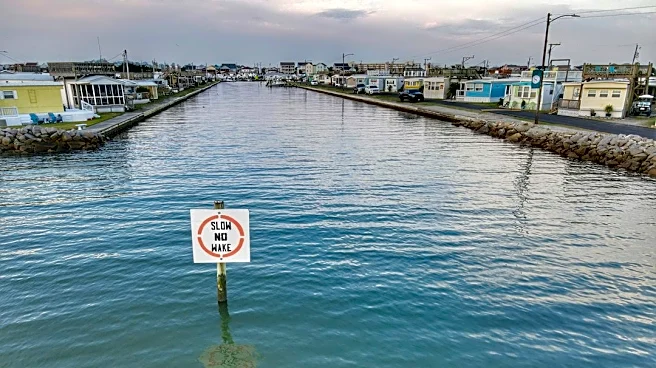
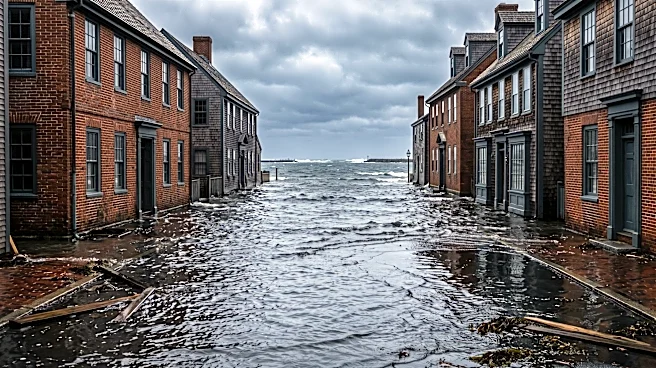
to be sunnier and warmer with highs in the 70s, the wind will maintain a chill. The forecast indicates an increasing chance of rain and wind for the Baltimore area, primarily from Saturday to Sunday, with winds potentially gusting up to 30 mph, and possibly stronger if the storm tracks even closer. In addition to the wind and rain, persistent easterly winds are causing coastal flooding, particularly along the western side of the Chesapeake Bay. Annapolis is expected to experience noticeable tidal flooding, with the Severn River's high tide potentially reaching 3.4 feet on Friday morning, which is high enough to affect businesses on Dock Street and areas near the Maritime Museum and Naval Academy. Subsequent high tides through Sunday are projected to be slightly lower at 3.2 feet, just below "moderate" flood stage.
Why It's Important?
This approaching Nor'easter and its associated weather conditions pose significant risks and disruptions for the Baltimore region. The combination of heavy rain and strong winds can lead to power outages, hazardous driving conditions, and potential property damage, impacting daily life and local commerce. Coastal flooding, particularly in areas like Annapolis, can cause substantial economic losses for waterfront businesses and residents, as well as disrupt transportation and access to critical infrastructure. The repeated occurrence of such weather events highlights the vulnerability of coastal communities to climate change and the need for robust preparedness and mitigation strategies. For emergency services and local government, managing these conditions requires significant resource allocation and coordination to ensure public safety and minimize damage. The event also underscores the importance of accurate weather forecasting and public communication to allow residents and businesses to take necessary precautions, from securing property to altering travel plans.
What's Next?
Residents in the Baltimore area are advised to stay informed by monitoring weather updates from local news and official channels. Preparations should include securing outdoor items, having emergency kits ready, and planning for potential power outages. Those in coastal areas, especially Annapolis, should be particularly vigilant about tidal flooding and follow any evacuation or safety advisories from local authorities. The severity of the weekend's weather will depend on the exact track of the Nor'easter, which forecasters will continue to refine. After the storm passes, local authorities will assess any damage and begin recovery efforts. In the longer term, this event may prompt further discussions and investments in coastal resilience projects and infrastructure improvements to better withstand future weather events. Businesses and residents in flood-prone areas may also consider long-term strategies such as flood insurance and property elevation to mitigate risks.
Beyond the Headlines
The recurring threat of Nor'easters and coastal flooding in the Baltimore region, as highlighted by this forecast, points to a broader environmental challenge that extends beyond immediate weather impacts. These events are increasingly seen through the lens of climate change, with rising sea levels and more intense storm systems exacerbating their effects. The vulnerability of historic coastal cities like Annapolis, with its low-lying areas and reliance on tourism, underscores the cultural and economic stakes involved. The continuous need for emergency preparedness and recovery efforts places a significant strain on local government budgets and resources, potentially diverting funds from other essential services. This situation also raises ethical questions about urban planning and development in flood-prone zones, and the responsibility of governments to protect citizens and infrastructure from environmental hazards. The long-term shift could involve a fundamental rethinking of how coastal communities adapt to a changing climate, including managed retreat from highly vulnerable areas, large-scale infrastructure projects, and innovative ecological solutions to protect shorelines.