



What's Happening?
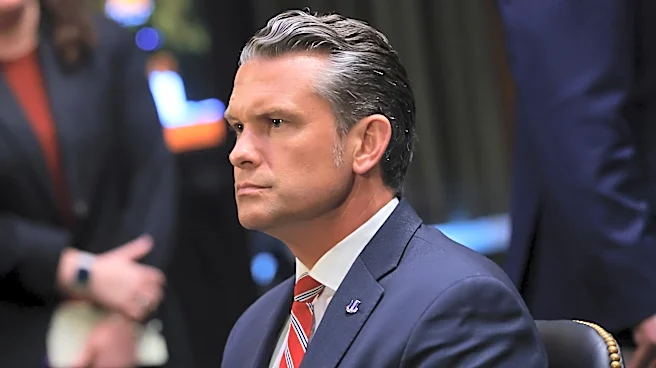
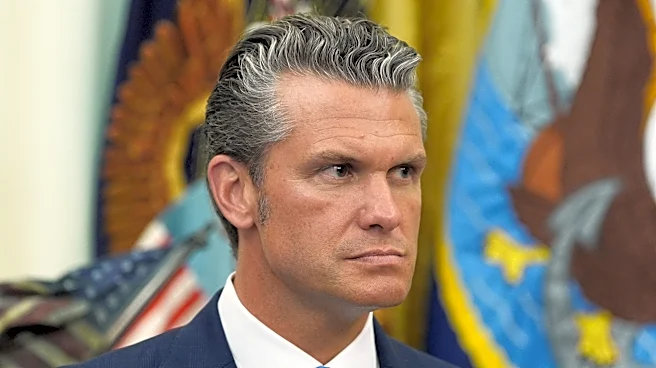
Congressman Gabe Amo is among over 70 Democratic House members who have signed a letter urging Department of Defense Secretary Pete Hegseth and Acting Navy Secretary Hung Cao to retain the name of the USS Doris Miller. The letter, led by Representatives
Wesley Bell (D-MO-01), Marilyn Strickland (D-WA-10), and Kweisi Mfume (D-MD-07), opposes the potential renaming of the aircraft carrier CVN-81, which was previously designated as the USS Doris Miller, in honor of President Trump. The lawmakers argue that renaming the ship after a sitting president would be unprecedented and break longstanding tradition. They emphasize that such a move would diminish the recognition of Doris Miller, a Black war hero who displayed extraordinary bravery during the attack on Pearl Harbor. The Navy had announced during President Trump's first term that CVN-81 would be named after Miller, making it the first aircraft carrier named for an African American and an enlisted sailor.
Why It's Important?
This effort is important because it touches upon significant issues of historical recognition, military tradition, and political precedent. The naming of naval vessels is a symbolic act that honors individuals and events deemed significant to the nation's history and values. Doris Miller's story represents courage, service, and patriotism, particularly in the context of racial segregation within the military at the time. Renaming the ship would not only erase this historical recognition but also set a new precedent for naming warships after sitting presidents, a practice that has traditionally been avoided to maintain the apolitical nature of military honors. The letter highlights concerns that such a decision would be driven by political motives rather than merit, potentially undermining the integrity of military honors. The involvement of over 70 House members underscores the widespread concern within Congress regarding this potential change and its implications for military heritage and public perception.
What's Next?
The letter from Congressman Amo and his colleagues serves as a direct appeal to the Department of Defense and the Navy leadership. The next steps will involve the Secretaries' response to this congressional pressure. They will need to decide whether to proceed with the proposed renaming or to uphold the original decision to name the ship after Doris Miller. This decision will likely be closely watched by members of Congress, military historians, civil rights advocates, and the public. Depending on the outcome, there could be further legislative action, public protests, or continued debate regarding the appropriate criteria for naming military assets. The issue could also become a point of contention in broader political discourse, especially concerning the balance between honoring historical figures and political figures. The outcome will set a precedent for future ship namings and could influence how military honors are perceived and managed.
Beyond the Headlines
The controversy surrounding the potential renaming of the USS Doris Miller delves into deeper questions about how national heroes are honored and whose stories are prioritized in public memory. Doris Miller's recognition as the first African American and enlisted sailor to have an aircraft carrier named after him was a significant step towards acknowledging the contributions of all service members, particularly those from marginalized communities. Reversing this decision could be seen as a setback for diversity and inclusion within military honors. Furthermore, the debate highlights the tension between political expediency and historical integrity. The tradition of not naming warships after sitting presidents is rooted in the desire to prevent the politicization of military symbols and to ensure that honors are bestowed based on enduring merit rather than temporary political power. This situation underscores the ongoing struggle to reconcile historical injustices with contemporary political dynamics, and the importance of preserving symbols that reflect a nation's highest ideals.