
What's Happening?
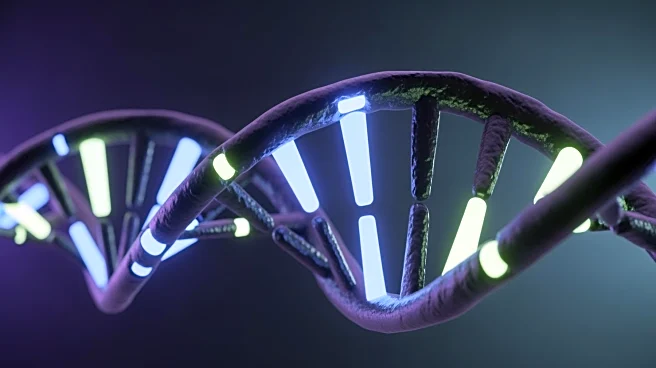
CRISPR gene-editing technology is making strides in treating rare genetic diseases, with recent successes in customizing treatments for individual patients. The technology, which gained attention for its
use in sickle-cell disease, is now being applied to extremely rare disorders. Researchers are developing CRISPR platforms that can be adapted for various mutations, potentially reducing the cost and time required for treatment development. A notable case is that of KJ Muldoon, the first child to receive a customized CRISPR treatment for a rare urea-cycle disorder, demonstrating the potential for personalized gene-editing therapies.
Why It's Important?
The ability to customize CRISPR treatments for rare genetic diseases represents a significant advancement in personalized medicine. This approach could transform the treatment landscape for the 30 million Americans affected by rare diseases, many of whom currently lack effective therapies. By streamlining the development process and reducing costs, CRISPR technology could attract more investment from for-profit entities, accelerating the availability of these treatments. The success of personalized CRISPR therapies also highlights the need for regulatory frameworks that accommodate bespoke treatments, potentially leading to faster approvals and broader access.
What's Next?
The development of CRISPR platforms for rare diseases is expected to continue, with clinical trials planned for various conditions. Researchers aim to refine the technology to address a wider range of disorders, while ensuring safety and efficacy. The U.S. Food and Drug Administration (FDA) is working on new pathways to expedite the approval of personalized treatments, inspired by recent successes. As the technology evolves, the focus will be on making customized CRISPR therapies widely available, potentially revolutionizing the treatment of rare genetic diseases.