



What's Happening?
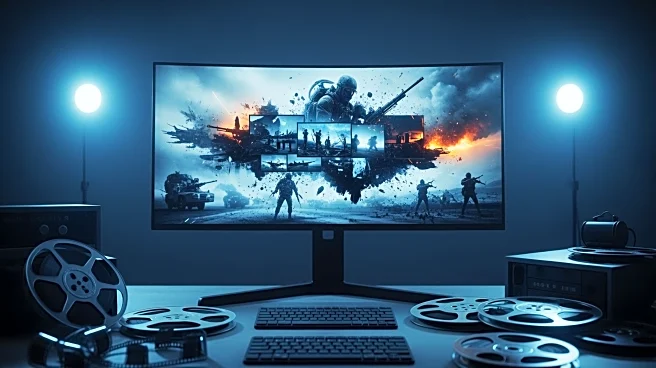
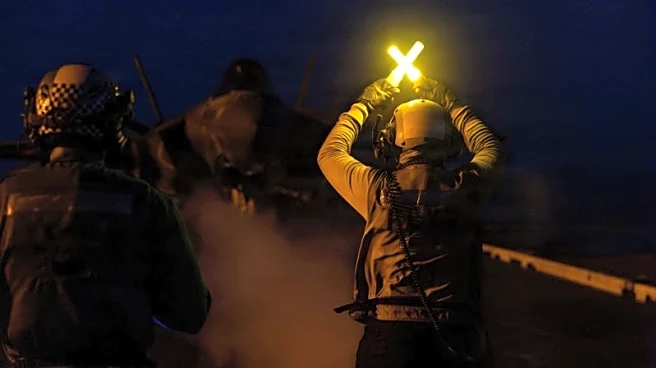
The White House has come under fire for releasing video montages on social media that blend real footage of U.S. military strikes on Iran with clips from Hollywood movies and video games. The videos, posted with captions like 'Justice the American way,'
include scenes from films such as 'Iron Man,' 'Top Gun: Maverick,' and 'Transformers,' as well as video game footage from 'Grand Theft Auto: San Andreas.' Actor and filmmaker Ben Stiller publicly criticized the use of a clip from his film 'Tropic Thunder' in the montage, stating that he did not give permission and does not support the portrayal of war as entertainment. The montages have sparked debate over the appropriateness of using entertainment media to depict real military actions.
Why It's Important?
The release of these montages raises significant ethical questions about the portrayal of military actions and the potential desensitization of the public to the realities of war. By blending real military footage with entertainment media, the White House risks trivializing the serious nature of military conflicts and the human cost involved. This approach could influence public perception, making military actions appear more like fictional narratives rather than real-world events with grave consequences. The criticism from public figures like Ben Stiller highlights the broader concern about the use of media and propaganda in shaping public opinion and the potential impact on international relations and domestic policy.
What's Next?
The controversy surrounding these montages may prompt further scrutiny of the White House's communication strategies and the ethical implications of using entertainment media in official government messaging. There could be calls for more responsible and transparent communication practices, especially in matters involving military actions. Additionally, the backlash might lead to discussions within the government and among media professionals about the boundaries of using fictional media to represent real events, potentially influencing future policy and media guidelines.