







What's Happening?
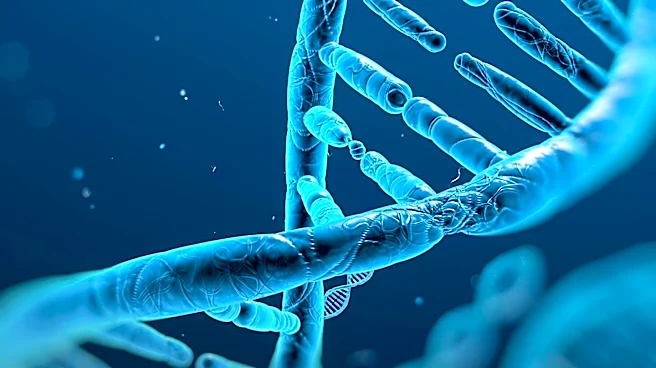
Epigenetic clocks, which analyze DNA methylation patterns, are being used to estimate biological age and its association with health outcomes. These clocks identify chemical tags on DNA that change with age, typically through blood samples. While early
models primarily aimed to estimate chronological age, newer versions, such as PhenoAge- and GrimAge-related clocks, are designed to capture health signals and predict outcomes. Research indicates that faster epigenetic aging is linked to conditions like frailty, metabolic syndrome, cardiovascular events, mortality, and cognitive decline in large population studies. However, experts emphasize that these tests are not standardized for individual care and their results should be interpreted cautiously, as they do not provide a definitive diagnosis or predict an individual's future health or lifespan. The accuracy of these clocks in estimating chronological age, sometimes with correlations of 0.96 or higher, does not directly translate to their ability to predict personal health.
Why It's Important?
The emergence of epigenetic clocks holds significant implications for understanding the aging process and its connection to various health conditions. For the healthcare industry, these tools offer a new avenue for research into age-related diseases and potential interventions. However, the lack of standardization for individual care means that commercial biological age tests are not yet actionable for primary care clinicians. This creates a challenge for consumers who might seek these tests, as the results can be misleading without proper medical context. The distinction between estimating chronological age and predicting individual health outcomes is crucial; while population studies show associations between accelerated epigenetic aging and poorer health, these findings do not constitute a personal diagnosis. This highlights the ongoing need for robust clinical validation and clear guidelines for the use of such advanced molecular tests in a healthcare setting, ensuring that patients receive accurate and actionable information.
What's Next?
The future of epigenetic clocks will likely involve continued research to refine their predictive capabilities and establish clearer clinical utility. Scientists will focus on developing more precise models that can differentiate between various tissues and account for factors like illness, medications, and environmental influences that can shift results. There will also be an emphasis on training these clocks with long-term follow-up data to better measure the actual rate of aging. For individuals, the recommendation is to use biological age test results as a starting point for discussion with a primary care clinician, rather than a definitive health assessment. Clinicians will continue to rely on well-understood measures like blood pressure, standard lab results, and physical function to guide patient care, while integrating insights from advanced tests as their clinical relevance becomes more established and standardized. The goal is to move towards actionable plans that support healthy aging, rather than solely relying on a single biological age score.
Beyond the Headlines
The growing interest in biological age testing, including epigenetic clocks, reflects a broader societal shift towards personalized health and preventive medicine. While these tests offer a fascinating glimpse into the molecular aspects of aging, they also raise ethical and practical considerations. The commercial availability of such tests, often without clear clinical guidelines, can lead to consumer confusion and potentially unnecessary anxiety or interventions. There's a risk that individuals might misinterpret a 'higher' biological age as a definitive health verdict, overlooking the importance of established clinical markers and lifestyle factors. This trend underscores the need for robust public education on the limitations and appropriate use of these technologies. Furthermore, the development of these clocks highlights the complex interplay between genetics, lifestyle, and environment in the aging process, pushing the boundaries of how we define and measure health beyond chronological years.