





What's Happening?
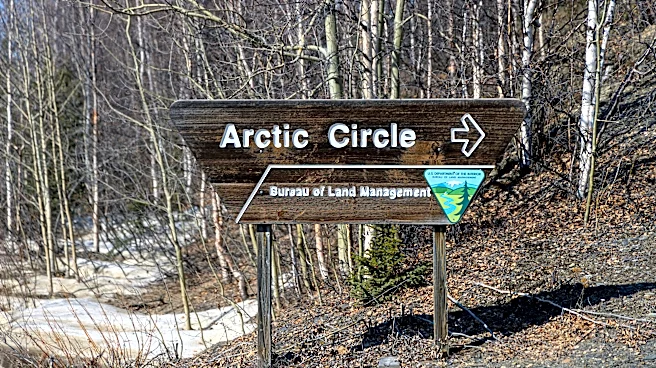
The U.S. Department of the Interior has put forth proposed updates to land use planning regulations, aiming to streamline the Bureau of Land Management's (BLM) planning process. These changes are designed to make the process more efficient, easier to comprehend,
and better aligned with the agency's current priorities. The existing land planning regulations, first adopted in 1979, have only undergone two minor updates since their inception. The proposed revisions seek to reduce unnecessary bureaucratic hurdles, foster improved collaboration and coordination with state and local governments, and accelerate decision-making processes concerning public lands. Interior Secretary Doug Burgum emphasized that public lands are intended for the benefit and use of the American people and should be managed by those closest to the land, rather than being hindered by outdated bureaucracy in Washington D.C. The proposed regulation changes have been published in the Federal Register and will be open for a 60-day public comment period. Additionally, the BLM plans to host a virtual public information session in early December to provide further details and gather public input on the proposed changes.
Why It's Important?
These proposed updates are significant for several reasons, primarily impacting the management and accessibility of vast tracts of U.S. public lands. By reducing 'red tape' and improving efficiency, the Department of the Interior aims to facilitate more responsive and effective stewardship of these resources. This could lead to quicker approvals for various land uses, including conservation efforts, energy development, and recreational activities, potentially benefiting industries reliant on public land access. Empowering state and local leaders in the decision-making process could result in policies that are more tailored to regional needs and concerns, fostering stronger local partnerships. For American families, the stated goal of boosting production and creating a more affordable and abundant supply of food and energy suggests potential economic benefits, though the specific mechanisms for achieving this through land planning updates would need further clarification. Conversely, environmental groups and other stakeholders will likely scrutinize the proposed changes to ensure that efficiency gains do not come at the expense of environmental protections or public access rights. The shift towards localized decision-making could also lead to varying outcomes across different regions, depending on local priorities and political landscapes.
What's Next?
The immediate next step involves a 60-day public comment period following the publication of the proposed regulation changes in the Federal Register. During this time, various stakeholders, including environmental organizations, industry groups, state and local governments, and the general public, will have the opportunity to submit their feedback and concerns. The Bureau of Land Management will also host a virtual public information session in early December to further explain the proposed changes and engage with the public. Following the comment period, the Department of the Interior will review all submitted feedback and may make further revisions to the proposed regulations before finalizing them. The ultimate implementation of these updated rules will likely lead to a more streamlined and potentially faster process for land use planning decisions across BLM-managed lands. This could influence future projects related to resource extraction, conservation, and recreation, with ongoing monitoring and potential adjustments based on their real-world impact.
Beyond the Headlines
The modernization of public land planning rules by the Department of the Interior carries deeper implications beyond immediate efficiency gains. This initiative reflects a broader philosophical shift towards decentralizing decision-making and empowering local and state entities in the management of federal lands. This approach could foster a greater sense of ownership and responsibility at the local level, potentially leading to more sustainable and community-supported land use practices. However, it also raises questions about the consistency of environmental standards and protections across different jurisdictions, as local priorities might sometimes diverge from national conservation goals. The emphasis on 'cutting decades-old red tape' suggests an effort to reduce bureaucratic inertia, which could be seen as a positive step for economic development and resource utilization. Yet, the original 'red tape' often served as a safeguard for environmental review and public participation. Therefore, the long-term impact will depend on how effectively the new regulations balance efficiency with robust environmental stewardship and equitable public access. This move could set a precedent for how other federal agencies approach the management of national resources, potentially influencing future policy debates on federal land ownership and control.