








What's Happening?
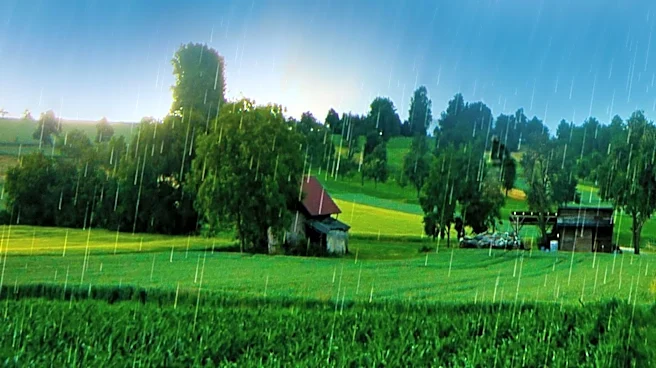
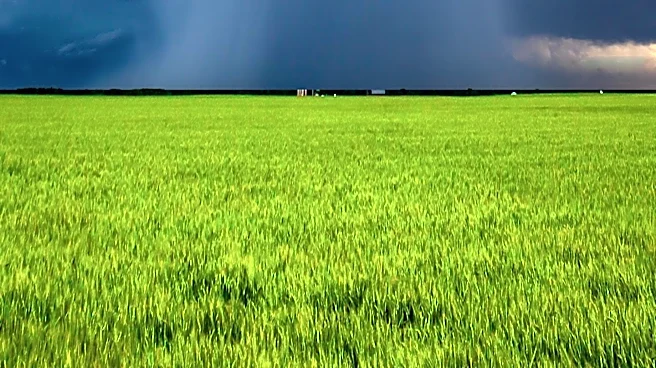
Georgia's agriculture industry is experiencing improved conditions after a period of significant drought earlier this year. According to Agriculture Commissioner Tyler Harper, recent rainfall has alleviated some of the drought's effects, although it remains
too early to fully assess the impact on crops. Earlier in the spring, 98% of Georgia was under severe drought conditions, causing widespread concern among farmers. The agriculture sector is a crucial component of Georgia's economy, contributing approximately $100 billion annually. Harper noted that a clearer picture of the drought's impact will emerge once the harvest season begins later this year.
Why It's Important?
The improvement in Georgia's agricultural conditions is significant for the state's economy and food supply. Agriculture is a major economic driver in Georgia, and the recent rainfall provides some relief to farmers who were facing potential crop failures. The ability to recover from drought conditions is crucial for maintaining the stability of the agricultural sector, which supports numerous jobs and businesses. Additionally, the situation highlights the broader challenges posed by climate variability and the need for effective water management strategies to support agricultural resilience.
What's Next?
As the harvest season approaches, more detailed assessments of the drought's impact on specific crops will become available. This information will be vital for farmers and policymakers to plan for future agricultural cycles and to implement measures that can mitigate the effects of similar droughts. The state may also consider investing in infrastructure and technologies that enhance water conservation and management to better prepare for future climate challenges.