


What's Happening?
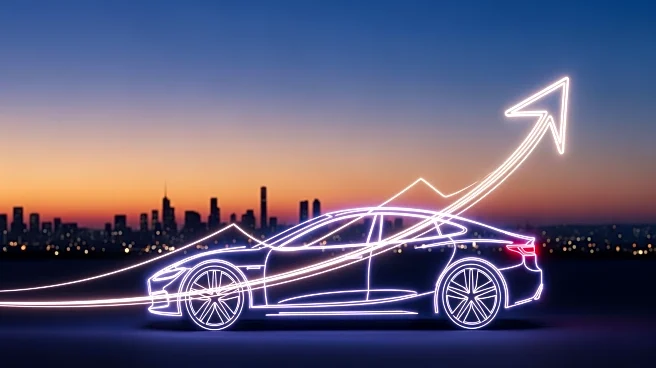
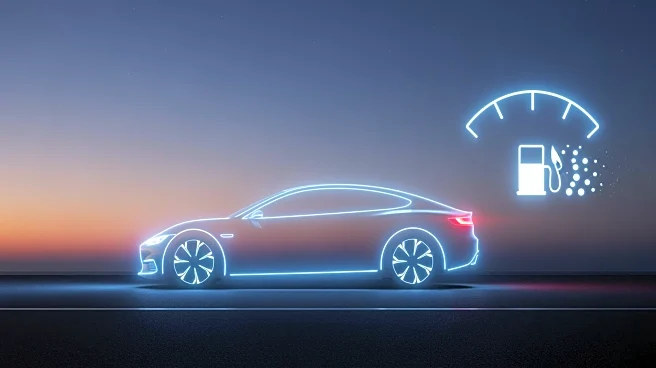
In Israel, the anticipation of rising fuel prices due to the Roaring Lion Operation in Iran has led to a significant increase in the market share of electric vehicles, particularly Tesla models. The market share of electric cars has jumped to 18% of deliveries
since the beginning of the month, up from 10% in the first two months of the year. This surge is largely attributed to a large shipment of Tesla vehicles, with the Model Y leading in registrations. As of now, 1,085 Tesla models have been delivered, with the Model Y accounting for 812 of these registrations. Other popular models include the JAECOO 5 and the Toyota Corolla Cross. Despite ongoing conflicts, 10,000 new cars have been registered this month, indicating strong demand.
Why It's Important?
The increase in electric vehicle sales in Israel highlights a growing shift towards sustainable transportation solutions, driven by economic and geopolitical factors. The anticipated rise in fuel prices is pushing consumers to consider electric vehicles as a cost-effective alternative. This trend not only benefits manufacturers like Tesla but also signals a potential shift in consumer behavior towards more environmentally friendly options. The increase in electric vehicle adoption could have long-term implications for the automotive industry, energy consumption, and environmental policies in Israel and potentially influence similar trends in other regions facing similar economic pressures.
What's Next?
As fuel prices are expected to rise, it is likely that the demand for electric vehicles will continue to grow. This could lead to increased competition among manufacturers to capture market share in the electric vehicle segment. Additionally, the Israeli government may consider implementing policies to support the transition to electric vehicles, such as incentives for buyers or investments in charging infrastructure. The automotive industry will need to adapt to these changes, potentially accelerating the development and deployment of new electric models to meet consumer demand.