



What's Happening?
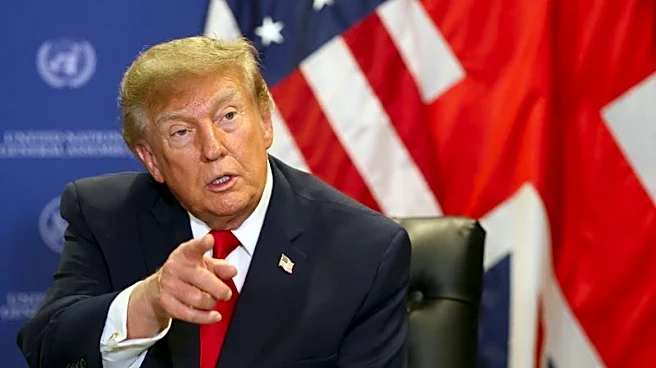
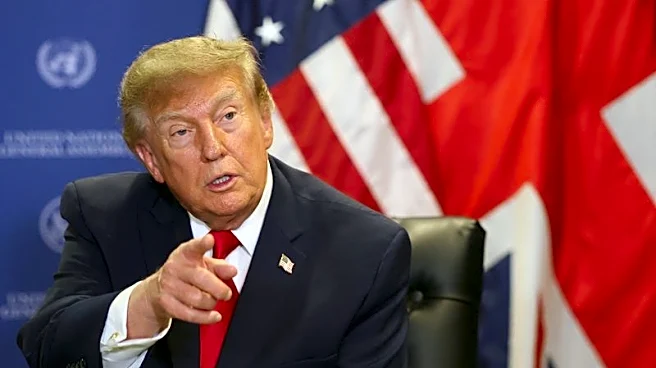
A new report from Democratic senators indicates that the fossil fuel industry is set to receive an estimated $190 billion in tax breaks and subsidies over the next decade. This projection follows significant pre-election campaign donations made by the industry to President
Trump. The report, released recently, highlights what the senators describe as the fossil fuel industry's extensive influence over the Trump administration. Reuters further notes that President Trump had requested $1 billion in donations during his 2024 election campaign, with hundreds of millions of dollars in campaign spending traceable back to energy companies. This suggests a direct correlation between financial contributions and anticipated policy benefits for the fossil fuel sector.
Why It's Important?
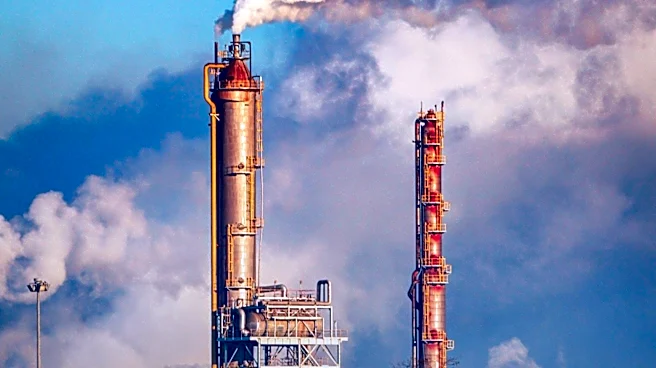
This development is significant due to its potential impact on American families and the broader U.S. economy. The Democratic senators argue that the bargain between fossil fuel companies and the Trump administration comes at a cost to ordinary citizens, leading to higher energy bills. Furthermore, they contend that increased damages from climate change and air and water pollution, resulting from expanded fossil fuel operations, will impose additional financial burdens on American families. This situation could exacerbate existing environmental and public health concerns, while also potentially diverting resources from renewable energy initiatives. The substantial financial benefits for the fossil fuel industry could entrench its position, making the transition to cleaner energy sources more challenging and costly for the nation.
What's Next?
The report's findings are likely to intensify the debate surrounding campaign finance reform and the influence of corporate donations on U.S. energy policy. Environmental advocacy groups and Democratic lawmakers are expected to use this report to push for greater transparency and stricter regulations on political contributions from the fossil fuel industry. Conversely, the fossil fuel sector and its allies will likely defend their contributions as legitimate political engagement and argue for the economic necessity of their operations. The upcoming political cycles, particularly the 2024 election, will likely see this issue become a prominent talking point, with candidates taking stances on the role of fossil fuels and the future of U.S. energy policy. The long-term implications could include continued legislative battles over environmental protections and energy subsidies.
Beyond the Headlines
Beyond the immediate financial implications, this situation raises deeper questions about the integrity of the democratic process and the balance of power between corporate interests and public welfare. The perception of a quid pro quo between campaign donations and policy benefits can erode public trust in government institutions. Ethically, it challenges the notion of fair governance, where policies should ideally serve the broader public good rather than specific industry interests. Culturally, it reinforces the ongoing tension between economic development driven by traditional industries and the growing demand for environmental sustainability. This dynamic could lead to increased social activism and legal challenges aimed at curbing the influence of large corporations in policymaking, potentially reshaping the landscape of environmental and political advocacy in the U.S.