





What's Happening?
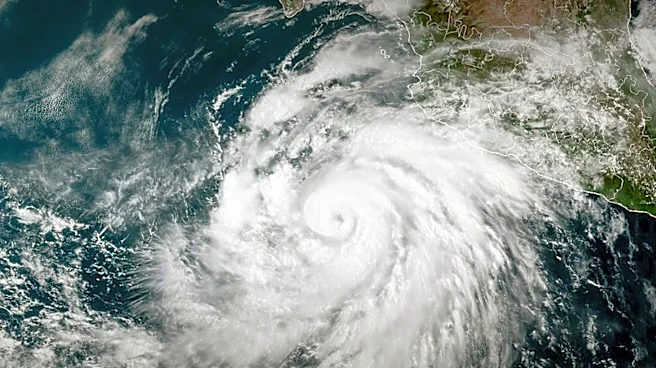
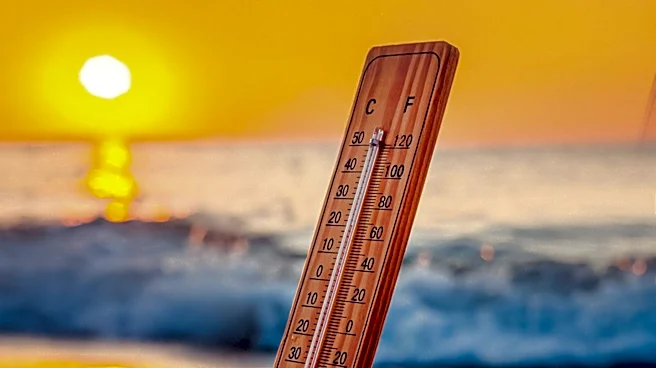
Climate scientists and key agencies are warning of a potential 'Godzilla El Niño,' a term used to describe an extreme El Niño event that could significantly impact global weather patterns. This phenomenon is expected to intensify in the coming months
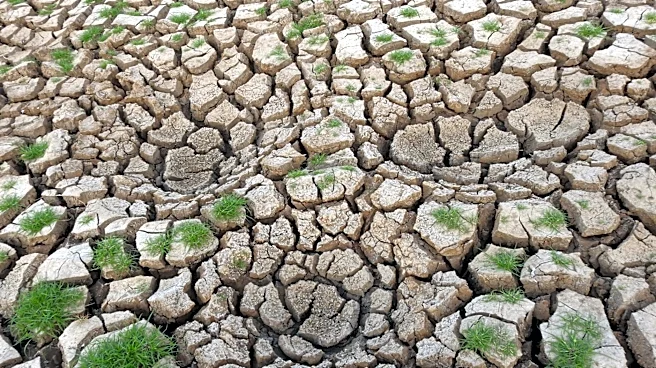
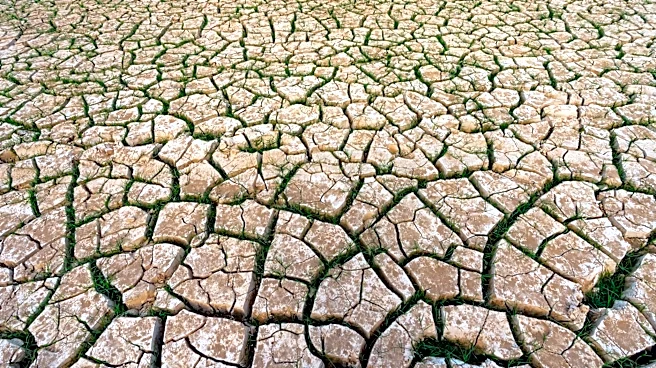
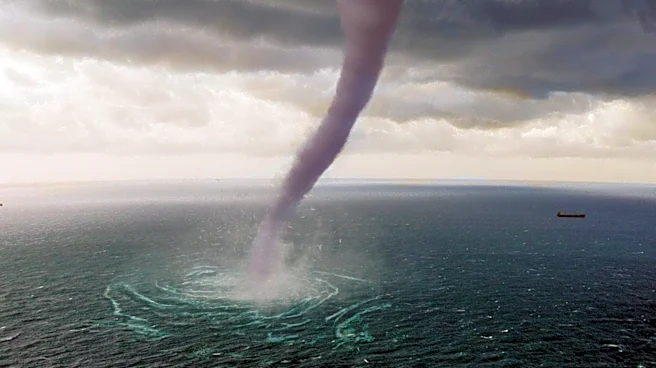
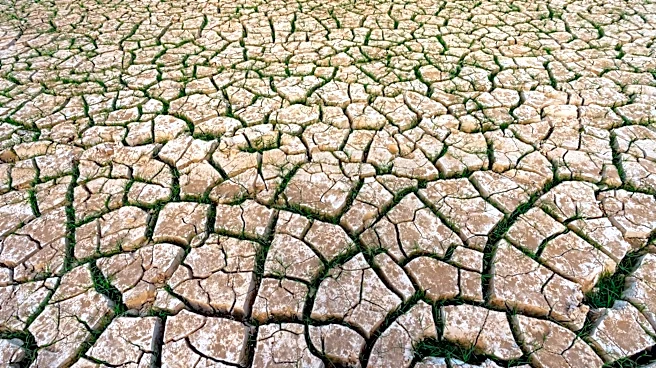
and persist into early 2027, potentially causing severe droughts, intense heat waves, and heavy rainfall or flooding worldwide. The climate-risk analytics provider Risilience has highlighted the potential for this event to trigger a severe shock to global food prices, with commodities like rice, sugar, palm oil, and coffee possibly seeing price increases of 50 to 100 percent.
Why It's Important?
The potential 'Godzilla El Niño' could have far-reaching implications for global food security and economic stability. As food prices rise, the most vulnerable populations may face increased food insecurity, while businesses and governments will need to navigate the economic challenges posed by supply chain disruptions and increased production costs. The agricultural sector, in particular, could suffer significant losses, affecting both local economies and international trade. This situation underscores the urgent need for proactive measures to mitigate the impacts of extreme weather events and to build resilience in food systems and supply chains.
What's Next?
Governments and organizations are urged to treat the potential 'Godzilla El Niño' as an immediate risk rather than a distant threat. This involves conducting climate-risk assessments to understand the potential impacts on supply chains, infrastructure, and employee welfare. Businesses are encouraged to develop continuity plans that account for various scenarios, ensuring they can adapt to changing conditions. In the education sector, schools are advised to prepare for remote learning options to ensure continuity in the face of potential disruptions. Overall, embedding climate risk into regular planning processes is essential for building long-term resilience.