





What's Happening?
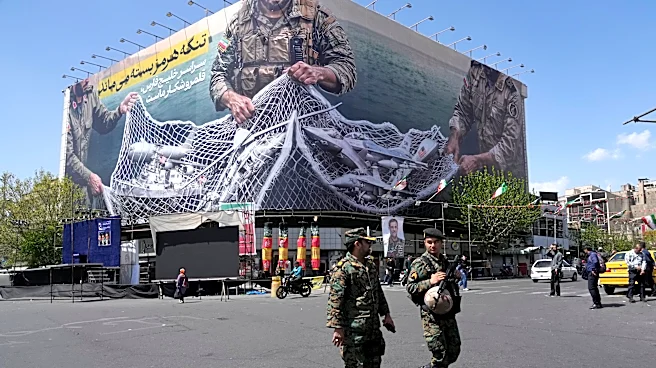
Iran is facing challenges in reopening the Strait of Hormuz to significant commercial traffic due to difficulties in locating and clearing naval mines it previously laid. This issue complicates ongoing negotiations between the U.S. and Iran, as the Trump
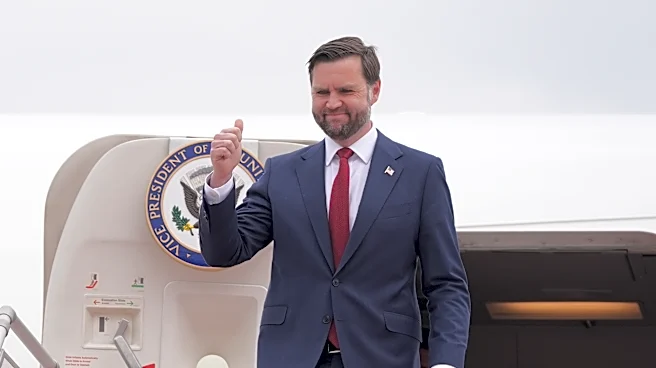
administration has demanded a broader reopening of the strategic waterway. The mines, laid last month following U.S. and Israeli strikes, have significantly reduced the number of vessels passing through the strait, impacting global oil prices. The situation is a key point in the talks set to occur in Islamabad, involving U.S. Vice President JD Vance and Iranian Foreign Minister Abbas Araghchi.
Why It's Important?
The inability to clear the mines in the Strait of Hormuz poses a significant threat to global oil supply chains, as the strait is a critical passage for about 20% of the world's oil shipments. The disruption has already led to increased energy prices, affecting economies worldwide. Iran's control over the strait gives it substantial leverage in negotiations, but the technical challenges of mine clearance highlight vulnerabilities in its strategy. The situation underscores the complexities of maritime security and the potential for geopolitical conflicts to disrupt global trade.
What's Next?
Negotiations in Islamabad will be crucial in determining the future of the Strait of Hormuz. A successful agreement could lead to the reopening of the strait and stabilization of oil markets. However, if talks fail, continued disruptions could lead to prolonged economic impacts and further geopolitical tensions. The U.S. and its allies may need to explore alternative routes or strategies to ensure the security of oil supplies.