






What's Happening?
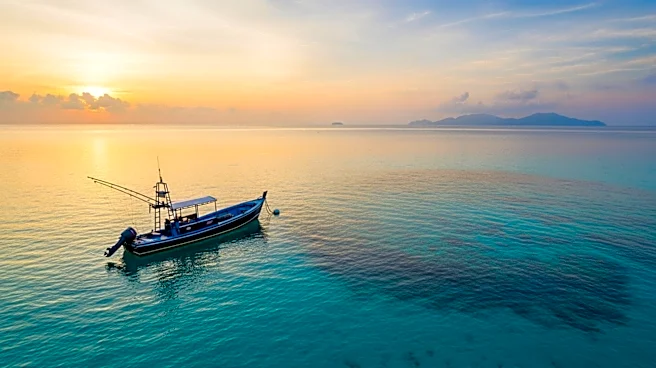
The Trump administration has lifted commercial fishing bans in three marine national monument areas, reversing protections established by previous administrations. The affected areas include parts of the Papahānaumokuākea Marine National Monument, Mariana
Trench Marine National Monument, and Rose Atoll Marine National Monument. This decision opens up 500,000 square miles of the U.S. exclusive economic zone to commercial fishing, providing new opportunities for the Hawai'i-based longline fleet. However, it also raises concerns about the impact on marine ecosystems, particularly the bycatch of sharks and other species. Environmental groups are challenging the administration's authority to reverse these protections, with ongoing legal battles over similar actions in other protected areas.
Why It's Important?
The rollback of fishing bans in these marine national monuments highlights the ongoing tension between economic interests and environmental conservation. By reopening these areas to commercial fishing, the administration aims to boost the fishing industry and support local economies. However, this move has sparked criticism from environmental groups concerned about the potential harm to marine biodiversity and the long-term health of ocean ecosystems. The decision also raises questions about the legal authority of the administration to alter protections established by previous presidents, setting a precedent for future changes to national monument designations.
What's Next?
Legal challenges to the administration's decision are likely to continue, with environmental groups seeking to block the rollback of protections. The outcome of these cases could have significant implications for the future of national monument designations and the balance between conservation and commercial interests. Meanwhile, the fishing industry may begin to expand operations in the newly opened areas, potentially leading to increased scrutiny of fishing practices and their environmental impact. The administration may also face pressure to address concerns about bycatch and implement measures to mitigate the impact on vulnerable species.