






What's Happening?
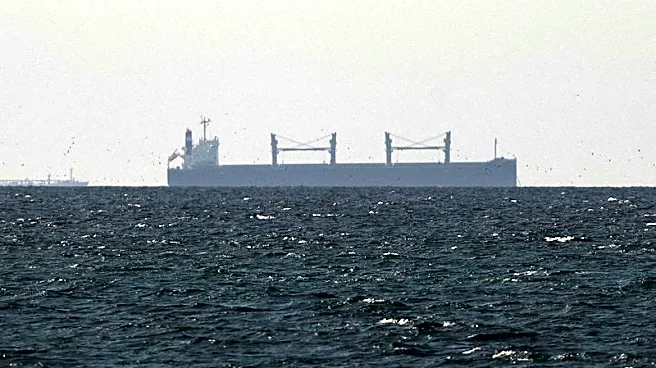
Oil and natural gas prices have fallen sharply following a ceasefire agreement between the U.S. and Iran, aimed at halting a six-week conflict. Despite the ceasefire, uncertainty persists regarding the resumption of oil flows through the Strait of Hormuz,
a critical passage for global energy supplies. Brent crude prices dropped by 13%, settling below $95 per barrel, while European natural gas futures experienced a significant decline. The ceasefire has raised hopes of easing supply disruptions, but the waterway remains largely restricted due to ongoing security concerns. Market participants are cautious, as tanker movements are still halted, and regional hostilities continue, including Israeli operations in Lebanon and Iranian strikes across Gulf states.
Why It's Important?
The ceasefire between the U.S. and Iran offers a temporary reprieve for global energy markets, which have been severely disrupted by the conflict. The Strait of Hormuz is a vital artery for oil and liquefied natural gas, handling about one-fifth of global flows. Prolonged disruptions could exacerbate the global energy crisis, leading to higher prices and economic instability. The ceasefire's impact on energy prices highlights the interconnectedness of geopolitical events and global markets. A sustained resolution could stabilize energy supplies and prices, benefiting consumers and industries worldwide. However, the fragile nature of the ceasefire and unresolved geopolitical tensions pose risks to market stability.
What's Next?
Negotiations between U.S. and Iranian officials are expected to begin soon, with discussions likely to include potential sanctions relief. The outcome of these talks will be crucial in determining the future of energy flows through Hormuz. Market participants will closely monitor developments, as any setbacks could quickly reverse the recent price declines. The U.S. Energy Information Administration's data indicates significant drawdowns in U.S. product inventories, underscoring the need for a swift resolution to restore supply chains. The situation remains fluid, with potential for further market volatility depending on the progress of diplomatic efforts and regional security conditions.