



What's Happening?
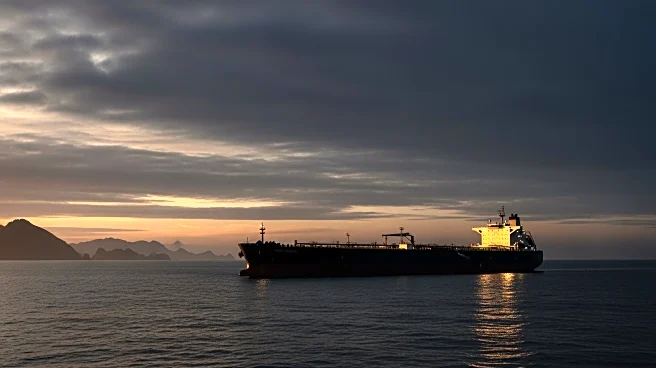
The United States has seized a large oil tanker off the coast of Venezuela, according to officials. This action is part of ongoing efforts by the U.S. to enforce sanctions against Venezuela, which have been in place due to concerns over the country's
political situation and human rights record. The seizure was reported by CBS News, with White House reporter Olivia Rinaldi providing details. The tanker was intercepted as part of a broader strategy to curb the flow of oil that could potentially benefit the Venezuelan government, which the U.S. has been critical of under President Nicolás Maduro's leadership. The specifics of the operation, including the exact location and the name of the tanker, have not been disclosed.
Why It's Important?
This seizure underscores the ongoing geopolitical tensions between the United States and Venezuela. The U.S. has been a vocal critic of President Maduro's government, accusing it of corruption and human rights abuses. By seizing the tanker, the U.S. aims to tighten economic pressure on Venezuela, potentially impacting the country's oil-dependent economy. This move could also affect global oil markets, as Venezuela is a significant oil producer. The action reflects the U.S.'s commitment to enforcing its sanctions regime, which could have broader implications for international trade and diplomatic relations, particularly with countries that continue to engage with Venezuela.
What's Next?
The seizure is likely to provoke a response from the Venezuelan government, which has previously condemned U.S. sanctions as illegal and harmful to its economy. Diplomatic tensions may escalate, with potential repercussions for U.S.-Venezuela relations. Additionally, other countries involved in the Venezuelan oil trade may reassess their positions to avoid similar actions by the U.S. The situation could lead to further international discussions on the effectiveness and ethics of sanctions as a tool for political change.