






What's Happening?
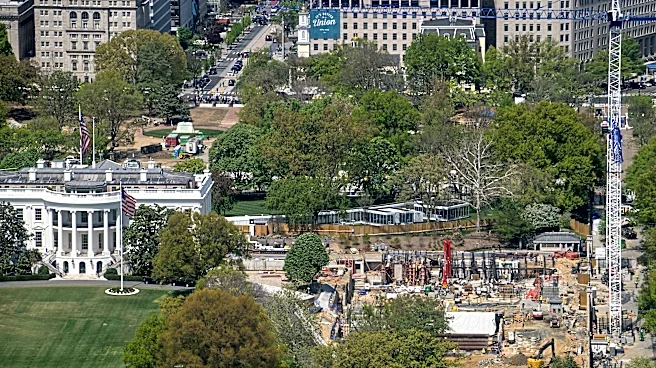
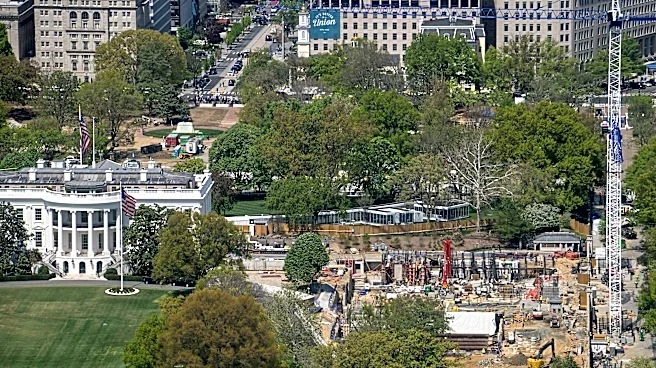
Judge Richard Leon has issued a ruling to halt the construction of a proposed ballroom at the White House, a project initiated by the Trump administration. The National Trust for Historic Preservation had sued to stop the $400 million project, which was
being built without congressional authorization. Judge Leon's decision comes after the administration attempted to continue construction under a safety-and-security exception in a preliminary injunction order. The judge clarified that while below-ground construction related to national security can proceed, the above-ground ballroom construction does not fall under this exception. The administration's argument that the entire project advances national security objectives was rejected, as it contradicted previous claims that the above-ground and below-ground elements were independent.
Why It's Important?
This ruling underscores the legal boundaries of executive power, particularly in relation to national landmarks and congressional oversight. The decision prevents the Trump administration from proceeding with a major construction project without legislative approval, highlighting the checks and balances inherent in U.S. governance. The case also illustrates the judiciary's role in interpreting and enforcing legal constraints on executive actions. The halt in construction could impact the administration's plans for the White House and serves as a reminder of the importance of adhering to legal processes and respecting historical preservation efforts.
What's Next?
The Department of Justice has already filed an appeal with the D.C. Circuit, which previously remanded the case for clarification. The outcome of this appeal will determine whether the ballroom construction can proceed or if the administration will need to seek congressional approval. The case may set a precedent for future executive actions involving national landmarks and could influence how security-related exceptions are interpreted in legal contexts. Stakeholders, including preservationists and government officials, will be closely monitoring the appeal process and its implications for executive authority.