






What's Happening?
Roarke Regenerative, a 501(c)(3) nonprofit organization, is actively seeking a full-time Communications Associate based in New York, NY. This remote position is crucial for supporting the organization's mission of large-scale reforestation and restoration
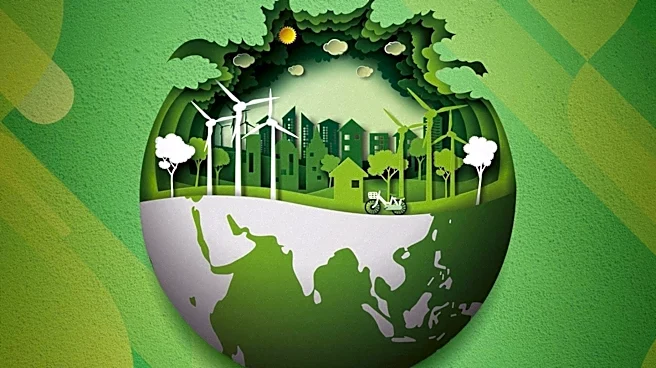
of historical habitat areas worldwide. The role involves drafting and editing various communication materials, including press releases, newsletters, blog posts, and social media content, to highlight projects, partnerships, and overall impact. The Communications Associate will coordinate with internal teams to translate technical and environmental initiatives into accessible messaging, maintain brand voice across all channels, and assist with strategic communications planning. The organization focuses on land deforested by commercial logging or natural events, working to restore forests and local ecosystems to their original health and resilience through replanting, revitalizing existing flora, reintroducing native pollinators, and restoring watershed systems. Roarke Regenerative partners with companies and individuals to create impactful ways to reduce and offset emissions, aiming for a carbon-neutral future and measurable environmental impact.
Why It's Important?
This hiring initiative by Roarke Regenerative underscores the growing importance of effective communication in the environmental sector, particularly for organizations focused on large-scale ecological restoration. The role's emphasis on translating complex environmental initiatives into accessible messaging highlights the need to engage a broader public and secure partnerships for conservation efforts. By focusing on reforestation and habitat restoration, Roarke Regenerative contributes to mitigating climate change, preserving biodiversity, and enhancing ecosystem resilience, which are critical challenges facing the U.S. and the global community. The organization's partnerships with forward-thinking companies and individuals also reflect a broader trend of corporate social responsibility and private sector involvement in environmental sustainability. The success of this role will directly impact Roarke Regenerative's ability to expand its reach, attract funding, and mobilize support for its vital work in restoring natural infrastructure and pursuing a carbon-neutral future.
What's Next?
The recruitment process for the Communications Associate position is currently underway, with Roarke Regenerative actively seeking qualified candidates. Once hired, the new associate will immediately begin contributing to the organization's communication strategy, focusing on amplifying its reforestation and restoration projects. This will involve developing and disseminating content that showcases the impact of their work, engaging with media contacts, and collaborating with community stakeholders to advance environmental goals. The organization will likely continue to expand its partnerships with companies and individuals, leveraging enhanced communication to attract more support and resources for its global initiatives. Future efforts will likely include further development of digital communication tools and social media platforms to reach a wider audience and strengthen Roarke Regenerative's presence in the environmental conservation landscape.
Beyond the Headlines
The creation of this Communications Associate role by Roarke Regenerative reflects a deeper societal shift towards valuing and investing in environmental communication. Beyond simply reporting on environmental issues, this position aims to inspire action and foster a sense of collective responsibility for ecological restoration. The emphasis on 'regenerative' practices suggests a move beyond mere sustainability to actively repairing and enhancing natural systems, which has profound implications for how businesses and individuals approach their environmental footprint. This role also highlights the increasing professionalization of the nonprofit sector, with organizations seeking specialized talent to achieve their missions. The long-term impact could include a more informed public, increased participation in conservation efforts, and a greater integration of regenerative principles into mainstream business and policy, ultimately contributing to a more resilient and sustainable future.