






What's Happening?
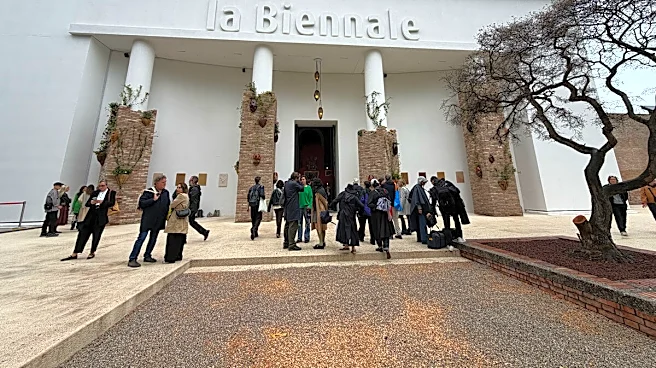
More than 100 artists participating in the Venice Biennale have threatened legal action against the event's organizers. The artists claim that their repeated requests to be removed from the visitor-voted awards, known as the Visitors' Lions, have been
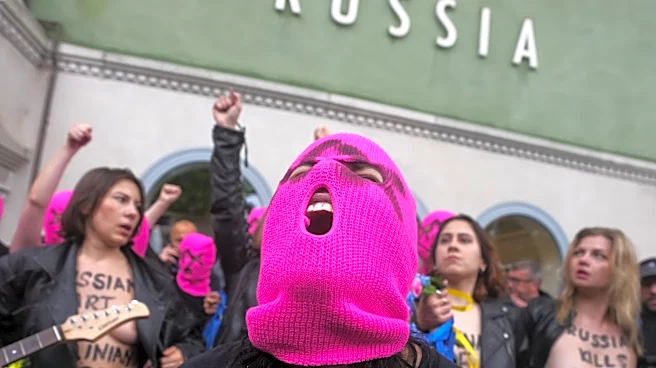
ignored. This dispute follows the resignation of the Biennale's five-member jury, which stepped down after controversy over the participation of Israel and Russia. The jury had previously announced it would not consider artists from countries whose leaders are subject to arrest warrants for crimes against humanity, a stance perceived to target Israel and Russia. In the absence of the jury, the Biennale decided that two Golden Lions would be awarded based on public votes. However, many artists, including notable figures like Walid Raad and Laurie Anderson, have expressed dissatisfaction with this process, citing a lack of transparency and accountability. They argue that it is unfair to involve the public in a flawed voting process and have demanded their names be removed from the awards consideration.
Why It's Important?
This legal threat highlights ongoing tensions within the art world regarding political and ethical considerations in international exhibitions. The artists' protest against the Venice Biennale underscores broader debates about the role of politics in cultural events, particularly concerning countries with controversial political leaders. The situation also raises questions about the transparency and fairness of award processes in major art exhibitions. The artists' actions could influence how future events handle similar controversies, potentially leading to more stringent guidelines on participation and award criteria. This dispute may also impact the reputation of the Venice Biennale, one of the most prestigious art events globally, as it navigates the complex intersection of art, politics, and public opinion.
What's Next?
The artists have indicated that they will proceed with legal action if their demands are not met, although specific details of the legal steps have not been disclosed. The Biennale has stated that it will not count votes for artists who have requested withdrawal, but it remains to be seen how this will be implemented and whether it will satisfy the artists' concerns. The outcome of this dispute could set a precedent for how similar issues are handled in future art exhibitions. Additionally, the Biennale's response to this controversy may affect its relationships with artists and its standing in the international art community.