



What's Happening?
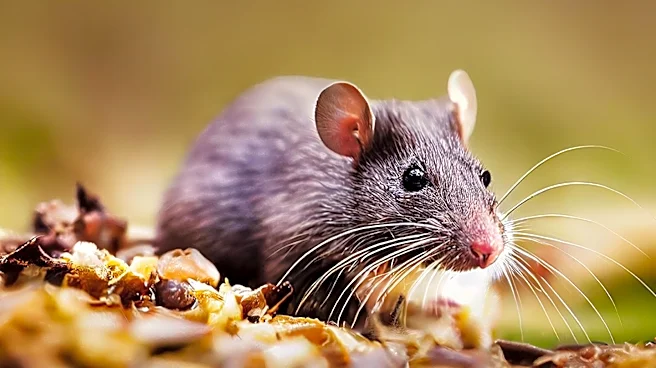
Over 3,400 Rocky Mountain Power customers in Bluffdale, Utah, experienced a power outage for approximately two hours on Monday morning. The cause of the disruption was identified as a rat that entered a Rocky Mountain Power substation, leading to an electrical
fault. Crews inspecting the equipment after the outage discovered the rat. According to pest expert Trent Frazer, who lives in Bluffdale, the rat likely completed a circuit, either through its body, by chewing through wires, or by creating a nest that caused a short. Rocky Mountain Power spokesman Jona Whitesides stated that while the utility employs various measures to mitigate such risks, completely eliminating wildlife interactions with electrical equipment is not feasible. Despite the cause, the utility's protection systems functioned as designed, isolating the fault and protecting the broader electrical system.
Why It's Important?
This incident highlights the vulnerability of critical infrastructure, such as power grids, to unexpected environmental factors, including wildlife. While seemingly minor, a power outage affecting thousands of customers can have significant economic and social impacts, disrupting daily routines, businesses, and essential services. For Rocky Mountain Power, it underscores the ongoing challenge of maintaining grid reliability in areas where human infrastructure intersects with natural habitats. The event also brings attention to the importance of robust protection systems within substations, which, in this case, prevented a more widespread or prolonged outage. It serves as a reminder for utility companies nationwide to continuously assess and improve their defenses against such unpredictable occurrences, ensuring resilience in power delivery.
What's Next?
Rocky Mountain Power will likely continue to review and enhance its wildlife mitigation strategies at substations and along power lines to prevent future incidents. This could involve implementing more advanced physical barriers, deterrents, or regular pest control measures. While the power was quickly restored in this instance, the utility will undoubtedly analyze the specific circumstances to identify any potential improvements in infrastructure design or maintenance protocols. For residents and businesses in Bluffdale, the incident serves as a reminder of the potential for unexpected power disruptions, encouraging preparedness for such events. The broader utility industry may also take note, sharing best practices for protecting electrical infrastructure from wildlife interference.
Beyond the Headlines
This seemingly isolated incident points to a larger, often overlooked aspect of infrastructure management: the interface between human-built systems and the natural world. As urban areas expand, interactions with wildlife become more frequent, posing unique challenges to maintaining essential services. The 'rat in the substation' scenario is a microcosm of broader ecological and engineering challenges, where even small creatures can have significant impacts on complex systems. It raises questions about sustainable urban planning, the need for ecological considerations in infrastructure development, and the continuous adaptation required to protect modern utilities from natural elements. The incident also subtly highlights the often-invisible work of utility companies in managing a myriad of threats to ensure consistent service delivery.