

What's Happening?
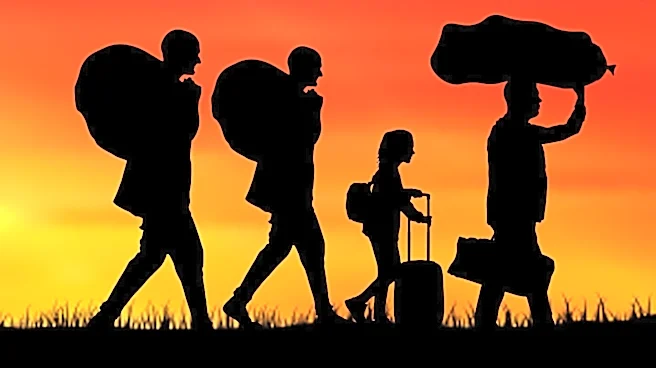
A growing number of Russians are reportedly fleeing their country due to concerns over a potential new military draft for the Ukraine war and increasing restrictions on freedoms. While not as large as the exodus in 2022, a group assisting citizens who
flee abroad, Kovcheg, reported an almost eightfold increase in queries last month compared to May. Social media videos indicate individuals are leaving for war-related reasons, declining economic conditions, an uncertain future, and shrinking freedoms. Ukrainian officials, including President Volodymyr Zelenskyy, have suggested Russia is planning another mobilization, a claim the Kremlin denies. Human rights activists describe a 'panicked wave' of emigration since mid-July, linked to mobilization fears, a fuel crisis, and internet restrictions. Some individuals are seeking to avoid military service, with one digital content marketer stating this was his second attempt to emigrate to avoid a draft, despite a hip ailment that would typically exempt him. Others are leaving due to the government's clampdown on internet platforms and services, making remote work difficult, and the general erosion of free speech and rights.
Why It's Important?
This ongoing emigration from Russia highlights the significant internal pressures and societal impacts of the prolonged conflict in Ukraine. The departure of individuals, particularly those with digital skills and those concerned about civil liberties, could contribute to a 'brain drain' and further strain the Russian economy and social fabric. The reported increase in queries for assistance to leave the country suggests a growing sense of unease and a lack of confidence in the future among a segment of the Russian population. The Kremlin's denial of a new mobilization, juxtaposed with persistent rumors and the actions of those fleeing, underscores a potential disconnect between official narratives and public sentiment. The situation also reflects the broader geopolitical tensions, as neighboring countries like Armenia are reportedly offering assistance to Russians seeking to avoid conscription, leading to diplomatic friction with Russia. The erosion of internet freedoms and free speech further indicates a tightening grip by the Russian government, which could have long-term implications for innovation, information access, and civil society within the country.
What's Next?
The immediate future may see continued, albeit potentially less visible, emigration from Russia as individuals respond to ongoing rumors of mobilization and the tightening of state control. The upcoming State Duma election could be a critical juncture, as Ukrainian officials have suggested a new mobilization might follow. Should a new draft be announced, it would likely trigger a more significant wave of departures, similar to 2022. The Russian government is expected to continue its efforts to suppress dissent and control information, potentially leading to further internet restrictions and crackdowns on those expressing opposition. Diplomatic tensions with countries offering refuge to Russian emigrants may also escalate. The long-term implications include a potential demographic shift, with a loss of younger, skilled individuals, and a further entrenchment of authoritarian policies within Russia. The international community will likely continue to monitor these internal developments as indicators of the broader impact of the Ukraine conflict on Russian society and governance.
Beyond the Headlines
The exodus of Russians extends beyond immediate draft fears, touching upon deeper societal anxieties regarding the future of civil liberties and economic stability. The narrative of 'not loving their Motherland' used by some Russian lawmakers to dismiss those leaving reveals a growing ideological divide within the country, where dissent is increasingly equated with disloyalty. The experiences of individuals like the queer activist who faced detention for displaying a rainbow-colored print highlight the severe and expanding restrictions on personal expression and human rights. This situation points to a broader trend of societal isolation, where the government's promotion of war propaganda and suppression of alternative viewpoints creates an environment of fear and self-censorship. The long-term psychological and social costs of living under such conditions, including the erosion of trust in institutions and the fragmentation of communities, are profound. This internal migration, driven by a complex mix of political, economic, and personal freedoms, signifies a fundamental shift in the social contract between the Russian state and its citizens, with potentially lasting consequences for the nation's identity and future trajectory.