







What's Happening?
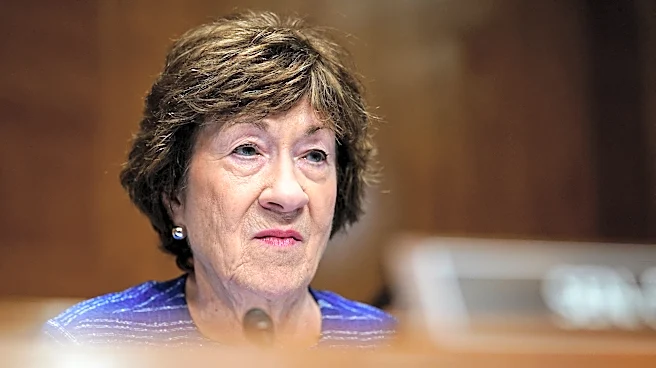
Maine Democratic Senate candidate Troy Jackson has publicly responded to comments made by Senator Susan Collins (R-ME) regarding his personal life. Senator Collins, in a recent interview, mentioned that the mother of Jackson’s two children is his second
cousin. Jackson, speaking at a campaign stop in Wells, criticized Collins for attacking his personal life and children, suggesting it was a tactic to deflect from her own record. The Maine Wire had previously reported in July that Jackson and his partner, Lana Pelletier, share the same great-grandparents. Collins' remark in the Politico interview was, 'I’m not going to bring up the fact that the mother of his two children is his second cousin.' Jackson's rebuttal indicates a heated exchange in the ongoing Senate race.
Why It's Important?
This exchange highlights the increasingly personal nature of political campaigns, even in races for significant federal offices like the U.S. Senate. By bringing a candidate's family relationships into public discourse, Senator Collins' comments could be seen as a strategic move to influence voter perception, potentially diverting attention from policy debates. Jackson's strong reaction underscores the sensitivity of such personal attacks and his attempt to reframe the narrative by accusing Collins of using personal matters to avoid scrutiny of her political record. This incident could impact voter sentiment in Maine, potentially swaying undecided voters based on their views on the appropriateness of personal attacks in politics. It also sets a precedent for the tone and tactics that might be employed in future campaign cycles, where candidates may feel compelled to address or defend aspects of their private lives.
What's Next?
The immediate aftermath of this exchange will likely see continued media coverage and public discussion, particularly within Maine. Both campaigns may issue further statements or engage in damage control, with Jackson potentially reiterating his focus on policy and Collins' campaign possibly clarifying the intent behind her remarks. Voters will be observing how each candidate handles the controversy, which could influence their perception of leadership and character. The incident may also prompt other candidates to be more cautious or, conversely, more aggressive in their campaign strategies. As the election draws closer, the impact of this personal attack on voter turnout and candidate support will become clearer, potentially shaping the outcome of the Maine Senate race.
Beyond the Headlines
The deeper implications of this event touch upon the ethical boundaries of political campaigning and the public's expectation of privacy for political figures and their families. While public figures often face scrutiny, the line between relevant public information and private life can become blurred. This incident raises questions about whether certain personal details, even if factually accurate, are fair game in a political contest. It also reflects a broader trend in modern politics where personal narratives and perceived character flaws are often weaponized. The public's reaction will indicate the prevailing sentiment regarding the acceptable limits of political discourse, potentially influencing how future campaigns approach personal information. This could lead to a re-evaluation of journalistic standards in reporting on candidates' private lives versus their public records.