
What's Happening?
Hundreds of demonstrators, predominantly women wearing pink shirts, gathered outside the Plymouth courthouse on Thursday morning to show support for Lindsay Clancy, the Duxbury woman on trial for the alleged
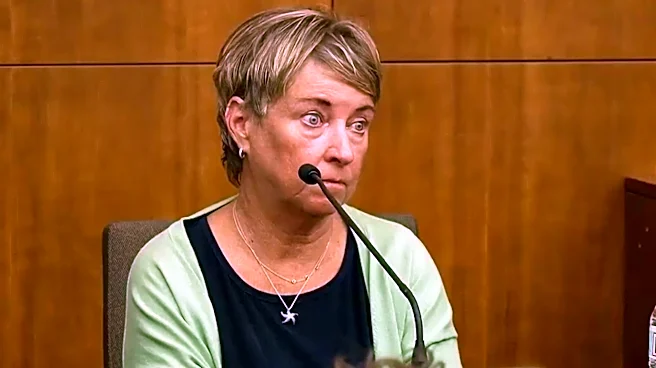
killing of her three children in 2023. Many of the supporters expressed solidarity with Clancy, citing their own experiences with postpartum mental health issues. The trial has focused on Clancy's efforts to seek help for her mental health following the birth of her third child. Over the past three weeks, healthcare providers and forensic experts have testified that Clancy experienced depression, anxiety, and sleep deprivation in the months leading up to the incident. The prosecution maintains that Clancy intentionally killed her children and should be held criminally responsible. However, Clancy's attorney, Kevin Reddington, is pursuing an insanity defense, arguing that she was suffering from postpartum psychosis, a severe mental health condition where a new mother loses touch with reality. Reddington also claims that Clancy was overmedicated, which he believes exacerbated her condition. Supporters hope the trial will highlight gaps in appropriate treatment for postpartum mental health issues.
Why It's Important?
This rally and the ongoing trial of Lindsay Clancy bring critical attention to the often-stigmatized issue of postpartum mental health, particularly postpartum psychosis. The public demonstration of support underscores a growing awareness and empathy for mothers struggling with severe mental health conditions after childbirth. The trial itself serves as a high-profile platform for discussing the complexities of mental illness in the legal system, particularly regarding the insanity defense. It forces a societal examination of how healthcare systems address maternal mental health, questioning whether current practices adequately support new mothers and prevent tragic outcomes. The outcome of this trial could set a precedent for how postpartum mental health conditions are recognized and treated within the legal framework, potentially influencing future legislation, healthcare policies, and public perception of maternal mental illness. It highlights the need for improved screening, accessible treatment, and comprehensive support systems for new mothers.
What's Next?
The defense is expected to continue presenting its case on Friday, with the attorney, Kevin Reddington, likely to further elaborate on the impact of postpartum psychosis and alleged overmedication on Lindsay Clancy's state of mind. The prosecution will continue to argue for criminal responsibility, and the jury will ultimately weigh the evidence presented by both sides. The trial's conclusion will lead to a verdict that could have significant implications for Clancy and potentially for how similar cases involving postpartum mental health are handled in the future. Regardless of the verdict, the public discourse generated by this trial and the rally will likely continue, pushing for greater awareness, research, and improved access to care for postpartum mental health conditions. Advocacy groups may leverage the trial's visibility to lobby for policy changes aimed at better supporting new mothers and preventing future tragedies.
Beyond the Headlines
The Lindsay Clancy trial and the public support it has garnered delve into the profound ethical and societal questions surrounding maternal mental health, culpability, and the justice system's capacity to understand complex psychological states. It challenges the traditional view of criminal intent when severe mental illness, particularly one linked to a biological event like childbirth, is a factor. The narrative of 'good mothers' versus 'bad mothers' is complicated by cases like Clancy's, forcing a more nuanced conversation about the systemic failures that can contribute to such tragedies. This case could catalyze a shift in how society views and supports new mothers, moving beyond individual blame to address broader public health responsibilities. It also raises questions about the pharmaceutical industry's role in prescribing psychotropic medications and the need for more holistic and individualized mental health care approaches, particularly for vulnerable populations like postpartum women. The long-term impact could be a re-evaluation of legal standards for mental illness defenses and a greater emphasis on preventative mental health care for mothers.