


What's Happening?
Tucker Carlson, a former Trump loyalist and conservative commentator, has outlined a manifesto that could serve as the foundation for a new third party in the United States. In a recent livestream, Carlson shared ten goals aimed at improving the country,
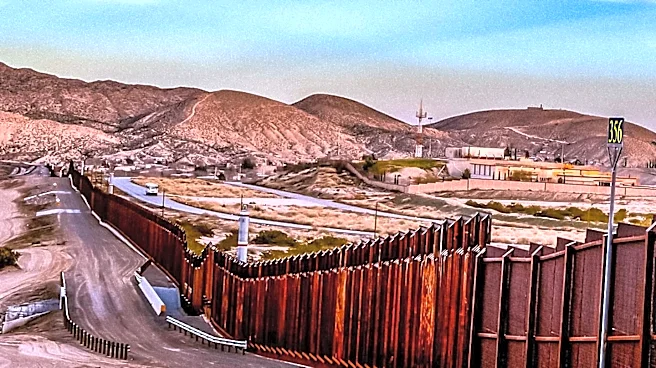
emphasizing the need for unity and proposing a halt to mass migration as a primary step. Although he did not officially announce the formation of a new party, his manifesto suggests a significant shift from the traditional two-party system. Carlson's move comes after he publicly distanced himself from the Republican Party, expressing a desire to explore alternatives that better serve the nation.
Why It's Important?
The introduction of a third party by a prominent figure like Tucker Carlson could disrupt the current political landscape in the U.S., which is predominantly dominated by the Democratic and Republican parties. Historically, third parties have struggled to gain significant traction due to the electoral system's structure, which favors the two major parties. Carlson's initiative could potentially split the conservative vote, impacting Republican chances in future elections. This development highlights ongoing dissatisfaction with the existing political system and could influence public discourse on immigration and national unity.
What's Next?
If Carlson proceeds with forming a third party, it will face significant challenges in gaining electoral success. The U.S. political system's design makes it difficult for third parties to win major elections, often relegating them to the role of 'spoilers.' Political analysts suggest that Carlson's party could draw votes away from Republicans, potentially benefiting Democratic candidates. The next steps would likely involve organizing a formal party structure, gaining ballot access, and building a broad coalition of supporters. The response from established political entities and the public will be crucial in determining the party's viability.