






What's Happening?
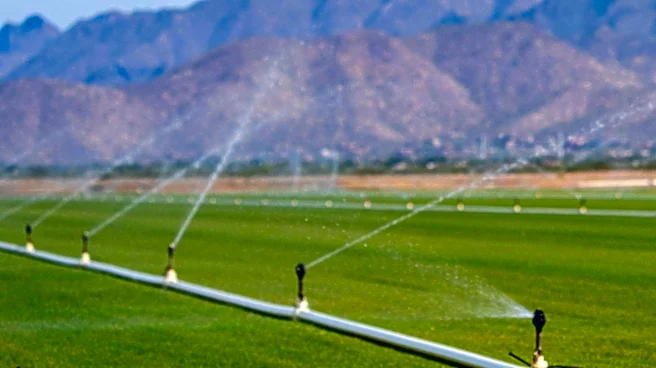
American farmers are increasingly implementing advanced technologies and management practices to enhance water efficiency in agriculture. This shift is driven by persistent climate challenges, dwindling water supplies, and rising production costs. Many
farms are successfully reducing water consumption by 20% to 40% while either maintaining or improving crop yields. Key innovations include precision irrigation systems that deliver water based on specific soil conditions, crop needs, and weather patterns, moving away from traditional uniform irrigation. Farmers are also utilizing tools such as soil moisture sensors, satellite imagery, GPS technology, weather forecasting, and data analytics to make more informed irrigation decisions. Additionally, new crop varieties with deeper root systems and enhanced drought tolerance are being developed, and farms are adopting water recycling, runoff recovery programs, and soil health practices like cover cropping to conserve resources.
Why It's Important?
The adoption of smart water management practices by U.S. farmers is crucial for the long-term sustainability and resilience of the agricultural sector. With increasing pressure from climate change, including more frequent droughts and unpredictable weather patterns, efficient water use is no longer just an option but a necessity. This trend has significant economic implications, as reduced water consumption directly lowers operating expenses related to pumping and energy. Furthermore, it enhances farm resilience during periods of drought, safeguarding food production and farmer livelihoods. As global markets increasingly value sustainable production, these innovations provide a competitive advantage for U.S. agricultural products, aligning with growing consumer demand for environmentally responsible practices. The widespread implementation of these technologies can help secure the nation's food supply while mitigating the environmental impact of agriculture.
What's Next?
The ongoing integration of technology and innovative practices in U.S. agriculture is expected to continue, with further advancements in precision farming and crop genetics. Research and development will likely focus on creating even more drought-resistant crops and sophisticated water management systems. Policy support and incentives for farmers to adopt these technologies could accelerate their implementation across the country. Educational initiatives will also be vital to ensure farmers are equipped with the knowledge and skills to utilize these complex systems effectively. The long-term outlook suggests a more sustainable and efficient agricultural landscape, better prepared to face future environmental challenges and meet the demands of a growing population while conserving precious water resources.
Beyond the Headlines
Beyond the immediate benefits of water conservation and cost reduction, this shift in agricultural practices has broader implications for environmental stewardship and food security. By reducing reliance on traditional irrigation methods, farmers can help alleviate pressure on freshwater sources, which are often over-extracted for agricultural use. Improved soil health practices, such as cover cropping, not only conserve water but also enhance soil fertility, reduce erosion, and sequester carbon, contributing to climate change mitigation. The development of drought-tolerant crops represents a significant step towards adapting agriculture to a changing climate, potentially reducing the risk of crop failures and ensuring a more stable food supply. This evolution in farming underscores a fundamental change in how the U.S. agricultural industry views its role in environmental management and its commitment to sustainable practices for future generations.