




What's Happening?
In the aftermath of devastating wildfires, many homeowners in Altadena and Pacific Palisades, California, are opting to rebuild their homes using all-electric designs. This decision is driven by concerns over climate change, health benefits, and cost
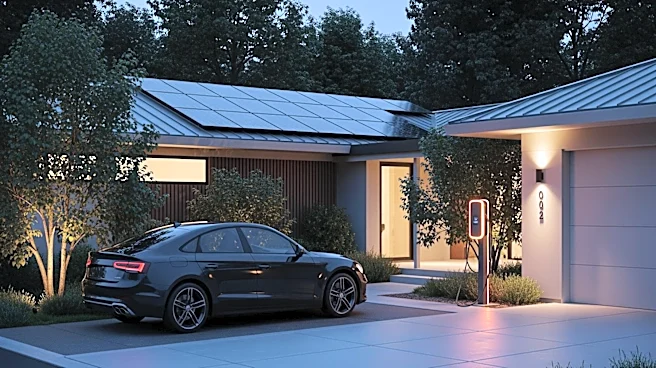
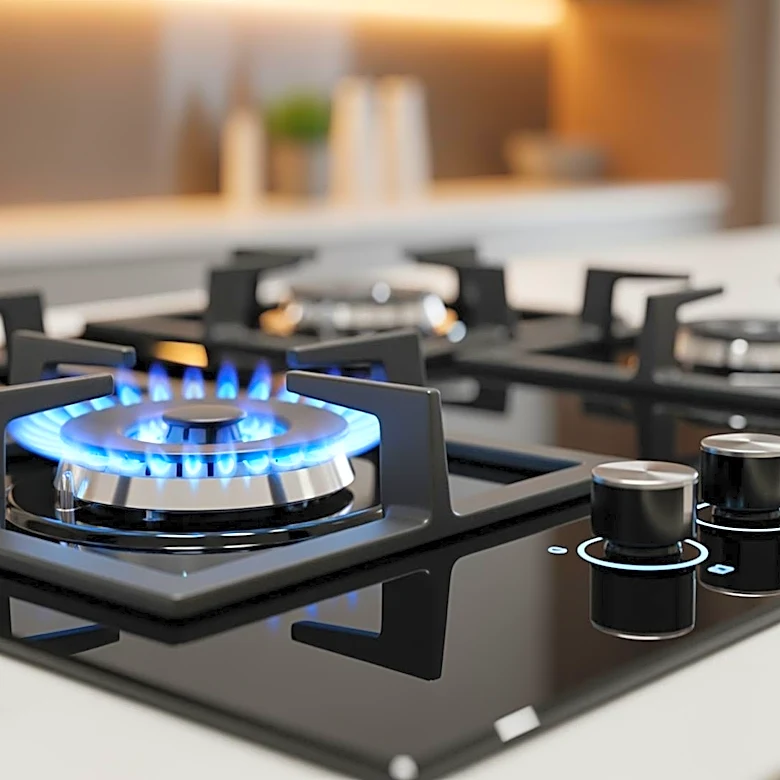
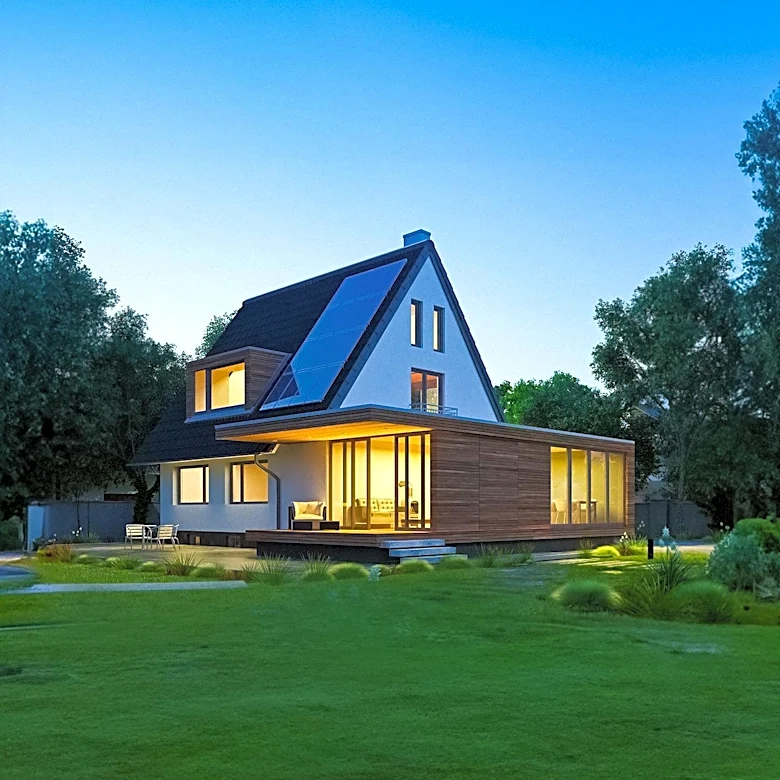
savings. Burning gas and propane in homes contributes to 10% of California's greenhouse gas emissions and releases indoor pollutants. State policies have increasingly pushed towards electrification, with 39% of new homes in California built without gas lines in 2024. Despite rollbacks on building codes that encouraged electric heat pumps, some residents are choosing all-electric homes for improved air quality and reduced fire risk. The Foothill Catalog Foundation offers pre-approved, all-electric home designs, and incentives are available for rebuilding all-electric in disaster areas.
Why It's Important?
The shift towards all-electric homes represents a significant move in reducing fossil fuel dependency and greenhouse gas emissions. This trend aligns with broader state policies aimed at combating climate change and improving public health. Electrification can lead to cost savings in construction and utility bills, making it an attractive option for homeowners. The availability of incentives further supports this transition, potentially accelerating the adoption of sustainable building practices. As more residents opt for all-electric homes, it could influence future building codes and energy policies, promoting a cleaner and more resilient infrastructure.
What's Next?
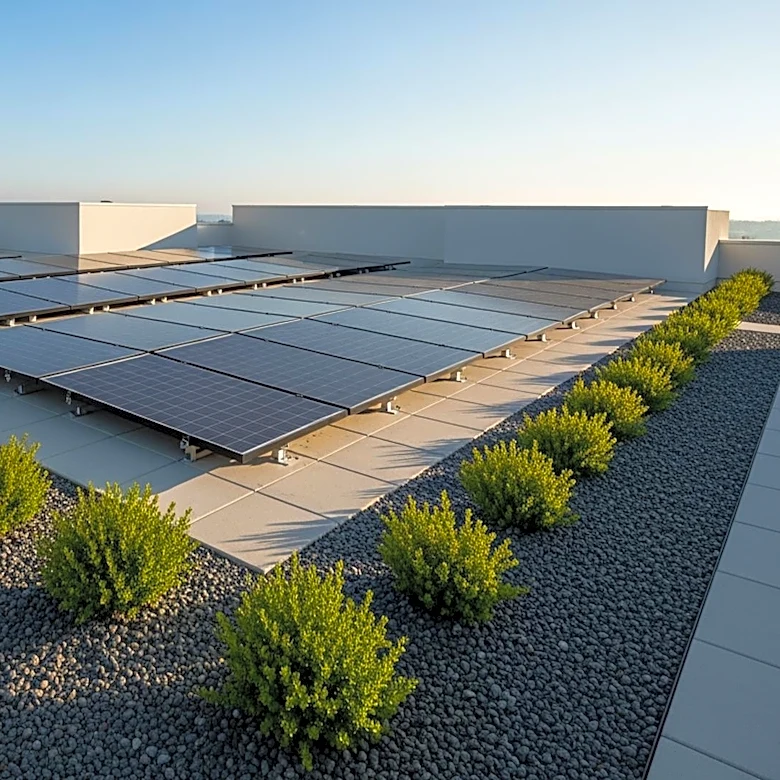
With the launch of a $22-million incentive program, more homeowners are expected to apply for subsidies to rebuild all-electric homes. This could lead to increased demand for electric appliances and solar installations. Builders and architects may continue to innovate in designing energy-efficient homes, potentially influencing broader market trends. As the state pursues widespread electrification, further policy developments and incentives may emerge to support this transition. The success of these initiatives could serve as a model for other regions facing similar environmental challenges.
Beyond the Headlines
The move towards all-electric homes highlights the intersection of environmental sustainability and public health. By reducing reliance on fossil fuels, homeowners can improve indoor air quality and reduce their carbon footprint. This shift also reflects a growing awareness of climate change impacts and the need for resilient infrastructure. As technology advances, electric appliances and systems are becoming more efficient, offering viable alternatives to traditional gas-powered options. The cultural shift towards sustainability may influence consumer preferences and drive innovation in the housing market.