






What's Happening?
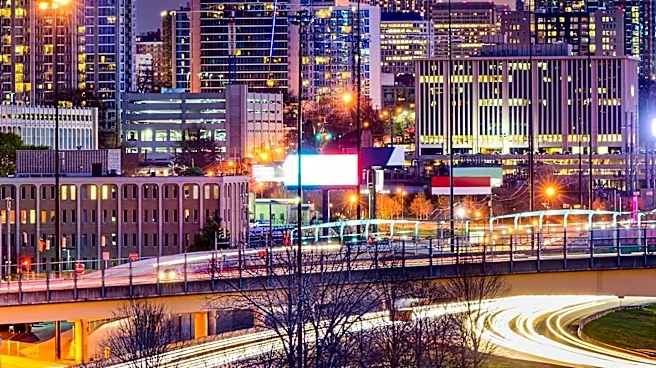
Atlanta Mayor Andre Dickens has announced that Atlanta will be a key starting point for the 2028 Los Angeles Olympics torch relay. The Olympic flame, after being lit in Olympia, Greece, will begin its journey across the United States in Atlanta in spring
2028. This marks a significant return for the Olympic flame to Atlanta, 32 years after the city hosted the Centennial Summer Games in 1996. The relay is planned to be one of the largest in Olympic history, traversing all 50 states, visiting iconic landmarks, major cultural and sporting events, and hosting festival celebrations in various cities nationwide. Mayor Dickens expressed the city's pride and readiness to welcome the flame, highlighting Atlanta's growth and increased global connectivity since its last Olympic hosting. The full route for the torch relay is expected to be unveiled in 2027. The Paralympic torch relay will follow the Olympics, originating in Stoke Mandeville, England, with its U.S. starting location to be announced later. Both relays will be sponsored by major corporations including Coca-Cola, JPMorganChase, Allstate, and Xfinity.
Why It's Important?
Atlanta's selection as a starting point for the 2028 Olympic torch relay underscores its enduring legacy as an Olympic city and its continued prominence on the national and international stage. This event will bring significant media attention and tourism to Atlanta, potentially boosting the local economy through increased visitor spending and showcasing the city's development since 1996. For the U.S., the relay's extensive route through all 50 states aims to foster a sense of national unity and excitement leading up to the Los Angeles Games, engaging diverse communities across the country. The involvement of major corporate sponsors also highlights the commercial appeal and broad support for the Olympic movement in the U.S., ensuring substantial financial backing for the event's logistics and promotional activities. This initiative could inspire greater participation in sports and community events, reinforcing the Olympic ideals of excellence, friendship, and respect nationwide.
What's Next?
The immediate next step will be the announcement of the full torch relay route in 2027, which will detail the specific cities and landmarks the flame will visit across the 50 states. Following this, preparations will intensify in Atlanta and other designated relay stops to ensure smooth logistical operations and successful community engagement events. Local authorities, including Mayor Dickens' office, will likely coordinate with LA28 organizers and sponsors to plan welcoming ceremonies and related festivities. The selection of the U.S. starting location for the Paralympic torch relay will also be a forthcoming announcement. As the event draws closer, public awareness campaigns will likely be launched to generate excitement and encourage participation from communities along the relay route. The success of this extensive relay will set a precedent for future large-scale national events and could influence how major sporting events engage with host countries.
Beyond the Headlines
The 2028 Olympic torch relay's journey through all 50 states, starting in Atlanta, carries deeper symbolic significance beyond just a sporting event. It represents a narrative of national cohesion and shared identity, particularly in a period where national unity is often challenged. By connecting diverse regions and communities through a common celebratory event, the relay can foster a sense of collective pride and participation in a global spectacle. The choice of Atlanta, a city with a rich history in both civil rights and economic development, as a starting point, also subtly highlights themes of progress and transformation. Furthermore, the extensive corporate sponsorship reflects the powerful intersection of sports, commerce, and national branding, where major events serve as platforms for both cultural celebration and significant marketing opportunities. This event could also reignite discussions about the long-term impacts and legacies of hosting major international events on local communities and national infrastructure.