








What's Happening?
The New York City Health Department has reported a significant cluster of Legionnaires' disease cases on the Upper East Side, with the number of affected individuals rising to at least 54. Among the buildings identified in this cluster is the Guggenheim
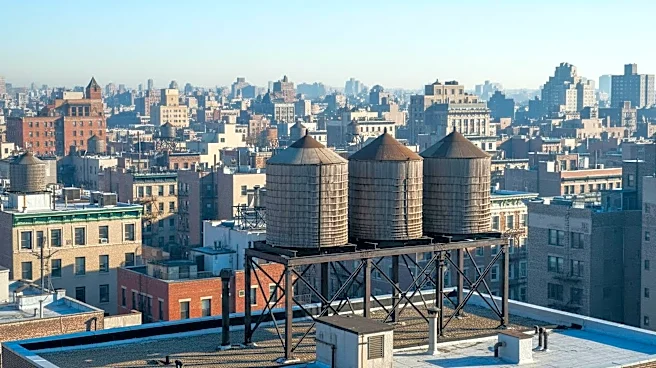
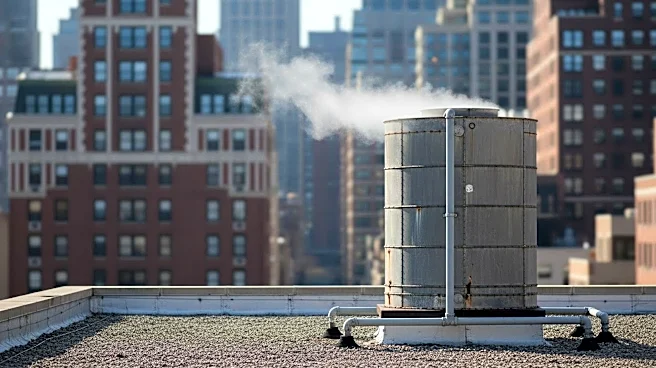
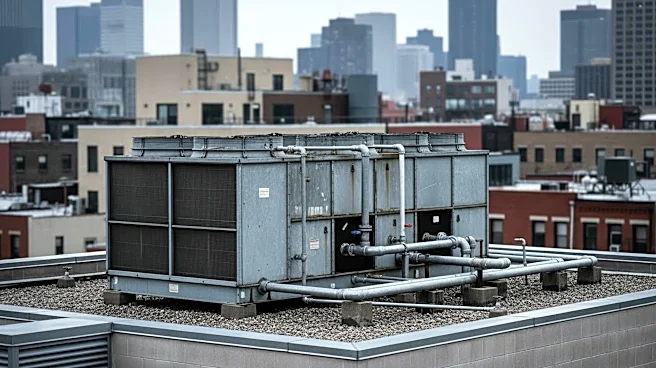
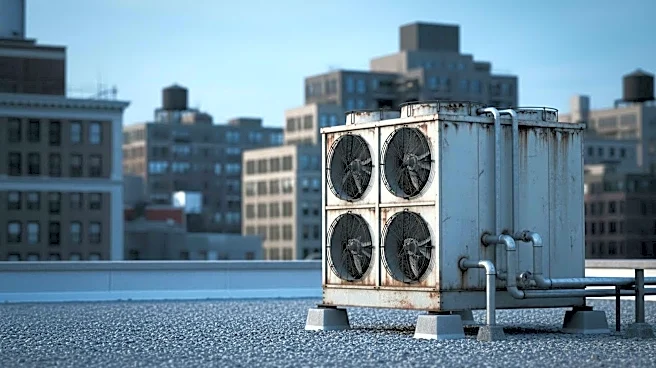
Museum. Legionnaires' disease is a severe form of pneumonia caused by the Legionella bacteria, which can thrive in water systems such as those found in large buildings. The Health Department is actively investigating the source of the outbreak and has been conducting tests in various buildings to identify and mitigate the spread of the bacteria.
Why It's Important?
The outbreak of Legionnaires' disease poses a public health concern, particularly in densely populated urban areas like New York City. The identification of a prominent cultural institution like the Guggenheim Museum in the cluster highlights the potential for widespread exposure in public spaces. This situation underscores the importance of rigorous maintenance and monitoring of water systems in large buildings to prevent such outbreaks. The health and safety of residents and visitors are at stake, and the outbreak could impact public confidence in the safety of public spaces, potentially affecting tourism and local businesses.
What's Next?
The New York City Health Department is expected to continue its investigation to pinpoint the exact source of the Legionella bacteria. Building owners and managers in the affected area may be required to implement additional safety measures and water treatment protocols to prevent further cases. Public health officials will likely increase awareness campaigns to educate the public on the symptoms of Legionnaires' disease and encourage those experiencing symptoms to seek medical attention promptly. The situation will be closely monitored, and updates will be provided as more information becomes available.