






What's Happening?
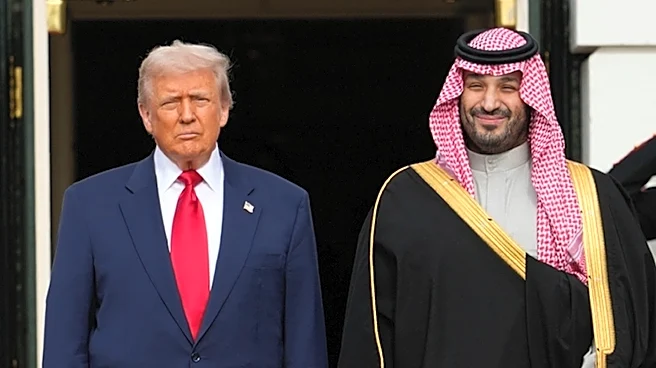
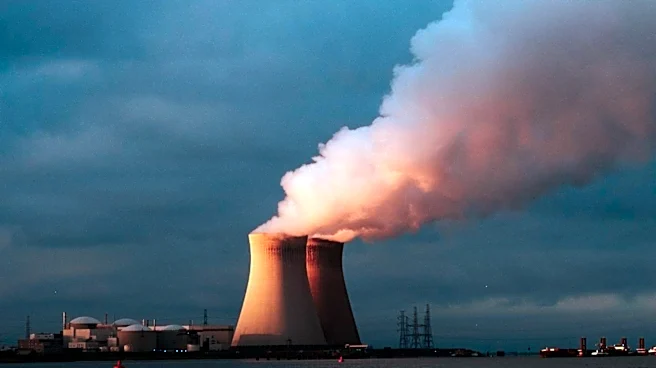
The United States and Saudi Arabia have signed a nuclear agreement after more than two decades of negotiations. The deal, which involves the U.S. and Westinghouse assisting Saudi Arabia in developing a civilian nuclear program, has sparked controversy
due to concerns over uranium enrichment. Critics, including former Israeli Prime Minister Naftali Bennett, warn that the agreement could lead to a regional nuclear arms race. The deal allows for the potential construction of a uranium enrichment facility, contingent on a joint study's findings. However, Saudi Arabia has not signed the IAEA's additional protocol, limiting inspection capabilities.
Why It's Important?
The nuclear agreement between the U.S. and Saudi Arabia is significant as it represents a shift in U.S. non-proliferation policy. Critics argue that the deal undermines decades of efforts to prevent nuclear proliferation in the Middle East. The potential for Saudi Arabia to develop nuclear weapons in secret raises security concerns, particularly for Israel and other regional players. The agreement also highlights the geopolitical complexities of U.S.-Saudi relations and the challenges of balancing strategic interests with non-proliferation goals. The deal's implications could affect regional stability and U.S. foreign policy in the Middle East.
What's Next?
The agreement's future is uncertain, as it faces criticism from various stakeholders, including U.S. lawmakers and international experts. The U.S. will be responsible for monitoring Saudi nuclear facilities, but the lack of IAEA oversight raises questions about transparency and compliance. The deal's success will depend on Saudi Arabia's adherence to non-proliferation commitments and its willingness to normalize relations with Israel, as suggested by President Trump. Ongoing diplomatic efforts and negotiations will be crucial in addressing the concerns raised by the agreement and ensuring regional stability.