






What's Happening?
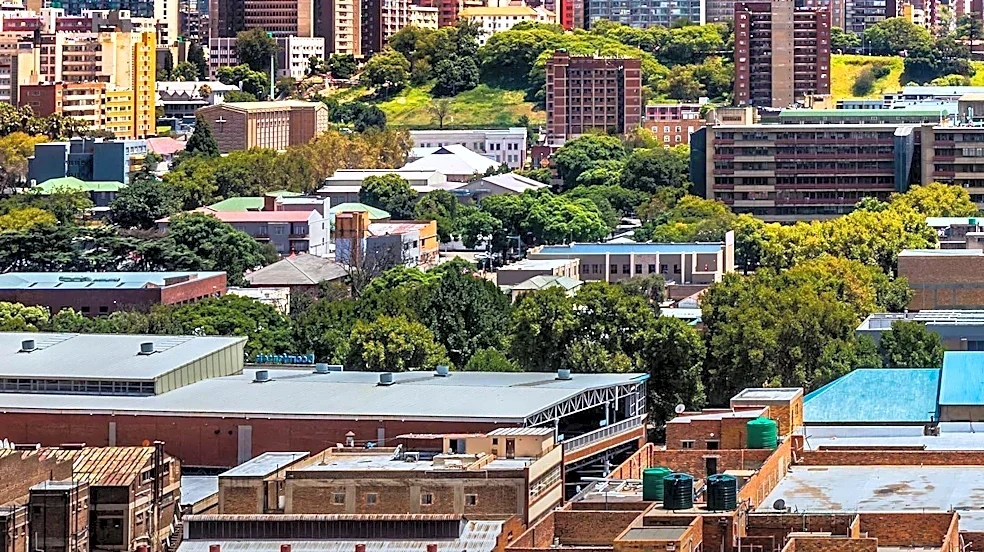
Johannesburg, South Africa's largest city, is increasingly recognized as a vibrant center for contemporary African art, design, and culinary experiences. Despite a public image that sometimes deters travelers, the city is actively being reimagined by
a growing network of artists, architects, and entrepreneurs. This transformation is evident in new cultural events like Design Week South Africa and the RMB Latitudes Art Fair, which are drawing international attention. Galleries and artist-run spaces are revitalizing former industrial buildings, contributing to a dynamic urban environment where new ideas are constantly emerging. The city also boasts a rich history, including its significant role in the fight against apartheid, with key historical sites such as the Apartheid Museum and Mandela House in Soweto providing essential context for visitors. Additionally, O. R. Tambo International Airport, located 20 kilometers from Johannesburg, serves as a major international gateway, with Swissport providing extensive ground services.
Why It's Important?
The rise of Johannesburg as a cultural and design hub signifies a broader shift in global perceptions of African cities, moving beyond historical narratives to highlight contemporary innovation and creativity. This development can attract increased tourism and foreign investment, boosting local economies and creating opportunities for artists, designers, and related industries. For the U.S., this presents avenues for cultural exchange, potential collaborations in art and design, and new travel destinations for American tourists interested in exploring diverse cultural landscapes. The city's ability to leverage its creative energy and historical significance can serve as a model for other developing urban centers seeking to redefine their global standing. Furthermore, the presence of international service providers like Swissport at its main airport underscores Johannesburg's role as a critical node in global travel and commerce, facilitating connections that support these cultural and economic advancements.
What's Next?
Johannesburg is expected to continue its trajectory as a leading destination for contemporary African art and design. The ongoing efforts by artists, architects, and entrepreneurs to innovate and revitalize urban spaces will likely lead to further expansion of its cultural offerings. Future cultural events and exhibitions are anticipated to build on the success of initiatives like Design Week South Africa and the RMB Latitudes Art Fair, potentially attracting more international visitors and investment. The city's focus on integrating its rich history, particularly its anti-apartheid legacy, with its modern artistic expressions will likely deepen its appeal. Continued development in infrastructure and services, supported by companies like Swissport at O. R. Tambo International Airport, will be crucial in accommodating the anticipated growth in tourism and business travel, further solidifying Johannesburg's position as a dynamic global city.
Beyond the Headlines
Beyond its burgeoning art and design scene, Johannesburg's evolution reflects a deeper narrative of post-apartheid South Africa's journey towards cultural and economic redefinition. The city's ability to transform its public image, often associated with its challenging past, into one of innovation and creativity, highlights the resilience and adaptive capacity of its communities. This transformation also raises important questions about urban development, gentrification, and the equitable distribution of cultural and economic benefits within a historically divided society. The integration of historical sites like the Apartheid Museum and Mandela House with contemporary cultural spaces underscores a conscious effort to acknowledge the past while building a forward-looking identity. This blend of history and modernity offers a unique cultural experience, challenging visitors to engage with complex social narratives through art, design, and urban exploration, and fostering a more nuanced understanding of African identity on the global stage.