




What's Happening?
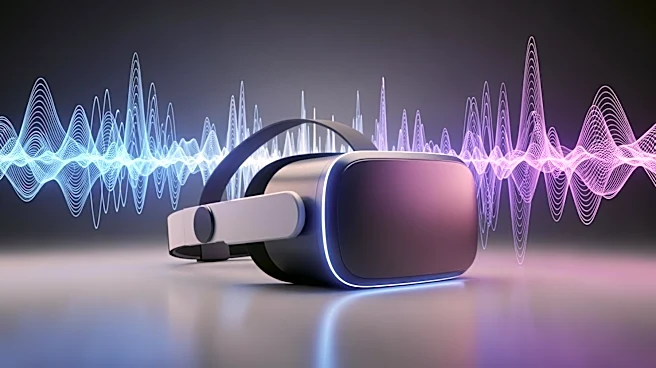
The University of Plymouth, in collaboration with Odesa National Maritime University and Kilo Solutions Ltd, has initiated a research project to enhance maritime training using immersive technology. The project, titled 'Efficacy of Virtual Reality in Maritime Training,'
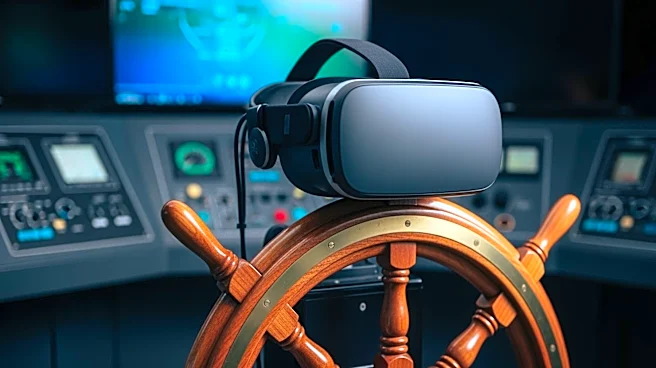
aims to improve the performance of bridge teams in complex scenarios by utilizing Kilo's VASCO VR bridge simulator. This initiative will assess participants on decision-making, situational awareness, and communication under pressure. The project is structured to deliver practical outcomes, including a validated assessment framework and an open-source White Paper to encourage industry adoption. The collaboration is set to last nine months, with six months dedicated to active delivery.
Why It's Important?
This research project is significant as it seeks to modernize maritime training by integrating virtual reality, potentially setting new standards for the industry. By providing a consistent and objective evaluation framework, the project could lead to safer and more effective training methods. The collaboration between academic institutions and industry experts highlights the importance of international cooperation in advancing maritime education. The outcomes of this project could influence training protocols globally, enhancing the competence of maritime professionals and improving safety at sea.
What's Next?
The project will continue to develop and test its assessment framework over the next six months. The findings will be disseminated through academic publications and conferences, potentially influencing future maritime training standards. The collaboration may also lead to further funding applications to expand the research. As the project progresses, it will be crucial to monitor how the maritime industry responds to the integration of VR technology and whether it leads to widespread adoption.