




What's Happening?
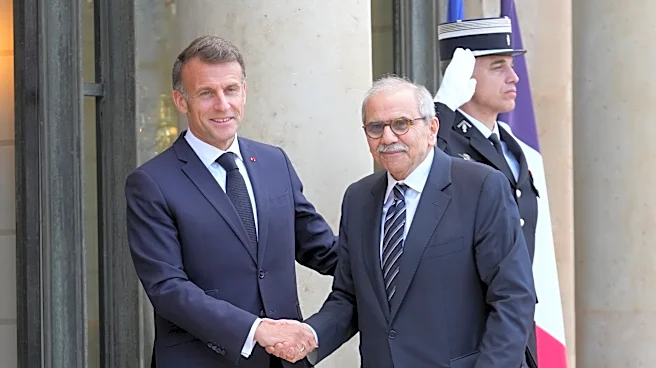
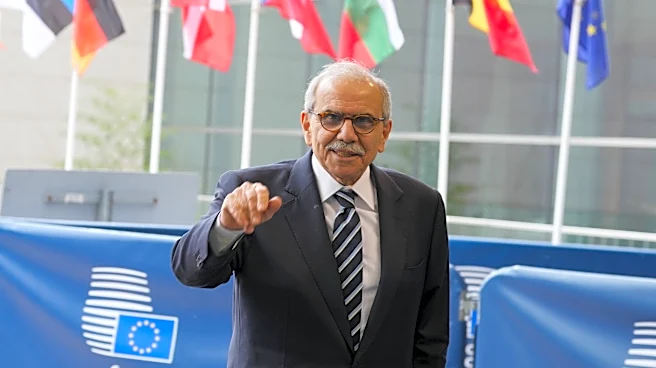
Lebanon and Israel are engaging in a second session of direct talks in Washington to discuss extending a ceasefire with Hezbollah. The talks, involving Lebanese Ambassador Nada Hamadeh Moawad and Israeli counterpart Yechiel Leiter, aim to extend the 10-day
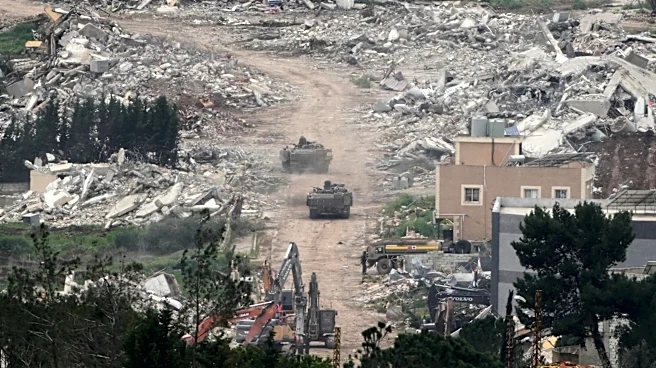
truce and address ongoing issues such as Israeli home demolitions in occupied areas. Lebanese President Joseph Aoun has outlined broader goals for future negotiations, including the withdrawal of Israeli troops and the release of Lebanese prisoners. Israeli Foreign Minister Gideon Saar has called for Lebanon to disarm Hezbollah, which remains a significant obstacle to peace.
Why It's Important?
These talks represent a rare diplomatic engagement between Lebanon and Israel, two countries with a long history of conflict. The discussions could pave the way for a more stable regional environment and potentially lead to a permanent resolution of hostilities. However, the presence of Hezbollah as a major player complicates the situation, as the group opposes the talks and any agreements made. The outcome of these negotiations could impact regional security dynamics, influence U.S. foreign policy in the Middle East, and affect the lives of civilians in both countries.
What's Next?
The continuation of talks suggests a willingness from both sides to explore peaceful resolutions, but significant challenges remain. Future negotiations will likely focus on broader security arrangements and the disarmament of Hezbollah. The international community, including the U.S., will play a crucial role in facilitating dialogue and ensuring compliance with any agreements. The success or failure of these talks could influence future diplomatic efforts in the region and affect the geopolitical landscape.