





What's Happening?
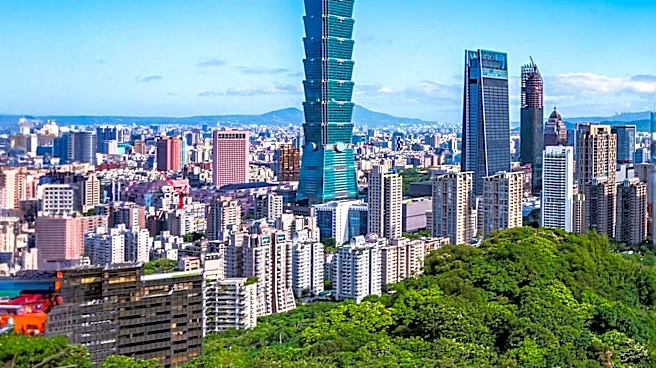
Taiwan, through its Minister of Environment Peng Chi-ming, is actively implementing comprehensive climate action strategies, despite not being a party to the United Nations Framework Convention on Climate Change. In 2026, Taiwan formally approved its third-phase
greenhouse gas reduction action programs for six sectors (energy, manufacturing, residential and commercial buildings, transportation, agriculture, and environment) covering 2026-2030. These programs include 20 flagship mitigation action plans, annual emissions targets, and 63 performance indicators. Taiwan also began collecting carbon fees this year, generating NT$4.97 billion (approximately $150 million USD) for the Greenhouse Gas Management Fund, which supports reduction technologies and adaptation efforts. The nation is also developing a cap-and-trade system, the Taiwan Emissions Trading System (TW-ETS), and has amended its Resource Circulation Promotion Act and Waste Disposal Act to promote a circular economy. Taiwan's net greenhouse gas emissions in 2024 were 6.59 percent below 2005 levels, marking a third consecutive year of decline while real GDP continued to grow.
Why It's Important?
Taiwan's proactive approach to climate change, despite its unique international status, demonstrates a commitment to global environmental goals and sets a precedent for non-UNFCCC parties. The implementation of carbon fees and the development of a cap-and-trade system signify a robust economic framework to incentivize decarbonization and green industrial transition. The UK's recognition of Taiwan's carbon fee under its Carbon Border Adjustment Mechanism is a significant step, potentially facilitating trade and integrating Taiwan into international climate finance mechanisms. The focus on a circular economy and resource circulation aims to enhance industrial competitiveness, reduce reliance on virgin resources, and strengthen supply chain resilience, which has broader implications for global manufacturing and trade. These efforts are crucial for Taiwan's long-term economic stability and its ability to mitigate the impacts of extreme weather events, which have intensified globally and locally.
What's Next?
Taiwan plans to progressively develop its cap-and-trade system (TW-ETS) to operate in parallel with its carbon fee, creating a diversified carbon pricing framework. The Greenhouse Gas Management Fund will continue to integrate cross-sectoral capacities to support workers, industries, and vulnerable groups affected by the transition, focusing on green-collar talent development and low-carbon transitions for small and medium-sized enterprises. Taiwan will also synthesize sectoral policies to draft a nationwide just transition action plan, ensuring social participation in net-zero policy planning. Internationally, Taiwan aims to deepen global partnerships through pragmatic engagement, sharing its experience with the net-zero transition, and seeking international support for its meaningful participation in UNFCCC and global climate governance efforts. The nation will continue to integrate climate risk assessments into national and local governance, strengthening resilience against extreme heat and torrential rainfall.
Beyond the Headlines
Taiwan's climate actions extend beyond environmental policy, touching upon its geopolitical standing and economic future. By aligning with international climate norms and demonstrating tangible progress, Taiwan seeks to enhance its global legitimacy and foster deeper international cooperation, particularly with countries that recognize its efforts. The emphasis on a 'just transition' reflects a commitment to equitable development, ensuring that the economic shifts required for decarbonization do not disproportionately harm certain communities or industries. This holistic approach, combining economic incentives, regulatory frameworks, and social considerations, positions Taiwan as a significant player in the global climate effort. The success of its strategies could serve as a model for other nations facing similar challenges in balancing economic growth with environmental sustainability, especially those with complex international relations.