



What's Happening?
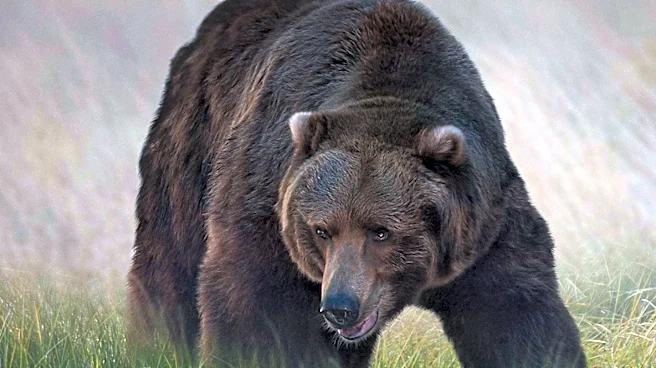
Wildlife managers in Red Lodge, Montana, are grappling with an unprecedented surge in bear-human conflicts, leading to a significant increase in bears being euthanized. Daniel McHugh, a bear management specialist with Montana Fish, Wildlife and Parks,
reported that six bears, including two grizzlies, have been killed in the less-than-3-square-mile city as of late August. This year, a dry winter followed by a late freeze has severely limited natural food sources like chokecherries, huckleberries, and whitebark pine nuts, forcing bears to venture closer to human settlements in search of food. The bears are increasingly feeding on human garbage, compost, and even breaking into homes, exhibiting a concerning lack of fear towards humans. This situation is not unique to Red Lodge, with other Western states like Colorado, Wyoming, Utah, New Mexico, and Idaho also reporting elevated levels of bear conflicts. However, Red Lodge is experiencing a particularly difficult time, marked by heated public meetings and accusations among residents regarding intentional and incidental feeding of bears.
Why It's Important?
The escalating bear conflicts in Red Lodge highlight a critical challenge in wildlife management across the American West, particularly in areas bordering national parks and wilderness. The phrase 'a fed bear is a dead bear' underscores the danger of bears becoming habituated to human food sources, which often leads to aggressive behavior and ultimately, euthanasia. This situation impacts not only the bear populations, especially threatened species like grizzlies, but also poses significant public safety risks for residents and visitors. The financial and emotional toll on wildlife management agencies and their personnel is substantial, as they are forced to make difficult decisions regarding animal control. The debate within the community, between those advocating for greater tolerance and those demanding stricter enforcement against feeding, reflects a broader societal struggle to coexist with wildlife in increasingly developed natural landscapes. The long-term implications could include reduced bear populations, altered bear behavior, and increased human-wildlife conflict if effective solutions are not found.
What's Next?
Wildlife officials in Red Lodge are focusing on stopping both intentional and incidental feeding of bears, which they identify as a primary driver of the escalating conflicts. Game warden Matt Heaton indicated a preference for educating suspects rather than immediate enforcement, though feeding game animals and predators is banned in Montana. The community is being urged to secure trash cans, remove bird feeders, and eliminate other attractants. However, officials acknowledge that the problem extends beyond individual feeding incidents, encompassing broader issues of human encroachment and changing environmental conditions. The Montana Fish, Wildlife and Parks will likely continue their efforts to haze and educate property owners, while also responding to calls about problem bears. The emotional and physical strain on bear management specialists like Daniel McHugh and Oliver Thomi is expected to continue as they navigate these challenging circumstances. The long-term success of these efforts will depend on a significant shift in community behavior and a collaborative approach to managing human-wildlife interactions.
Beyond the Headlines
The crisis in Red Lodge reveals deeper ethical and cultural dimensions surrounding human-wildlife coexistence. The differing philosophies on bear management, from those who advocate for 'live and let live' to those who prioritize human safety and strict control, underscore a fundamental tension. The controversial concept of 'diversionary feeding,' championed by some residents based on debunked science, highlights the challenge of misinformation and differing interpretations of scientific evidence in public discourse. The emotional burden on wildlife managers, who are forced to kill animals they are dedicated to protecting, raises questions about the psychological impact of such roles. This situation also reflects the broader consequences of climate change, as altered weather patterns and natural food shortages push wildlife into closer contact with human populations. Ultimately, the Red Lodge bear crisis serves as a microcosm of the complex and often heartbreaking challenges inherent in managing natural resources and wildlife in a rapidly changing world, where human actions directly influence the fate of wild animals.